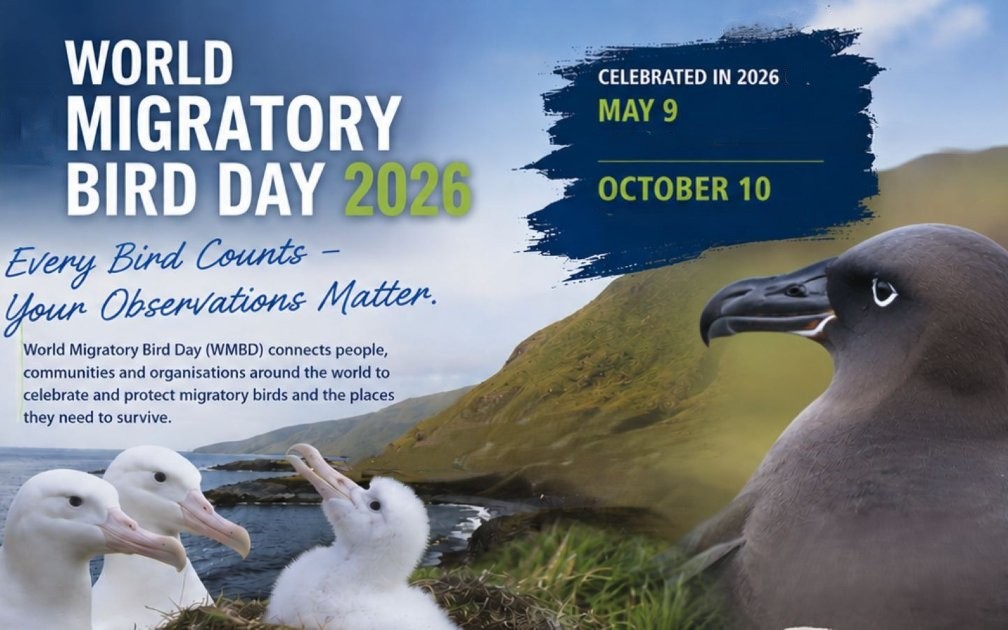
 On 9 May 2026, the world once again celebrates World Migratory Bird Day (WMBD), a global campaign dedicated to raising awareness about migratory birds and the importance of international cooperation in conserving them. A second global celebration will take place on 10 October 2026.
The 2026 theme, “Every Bird Counts – Your Observations Matter,” highlights the critical role that people can play in helping scientists better understand migratory birds through observations, photography, monitoring, and citizen science. For South Africa and the South African National Antarctic Programme (SANAP), this theme resonates strongly. The sub-Antarctic Prince Edward Islands, including Marion Island, are globally significant sanctuaries for migratory seabirds that travel vast distances across the Southern Ocean and beyond. Every photograph, observation, and research record contributes to the growing body of knowledge that helps protect these remarkable species.
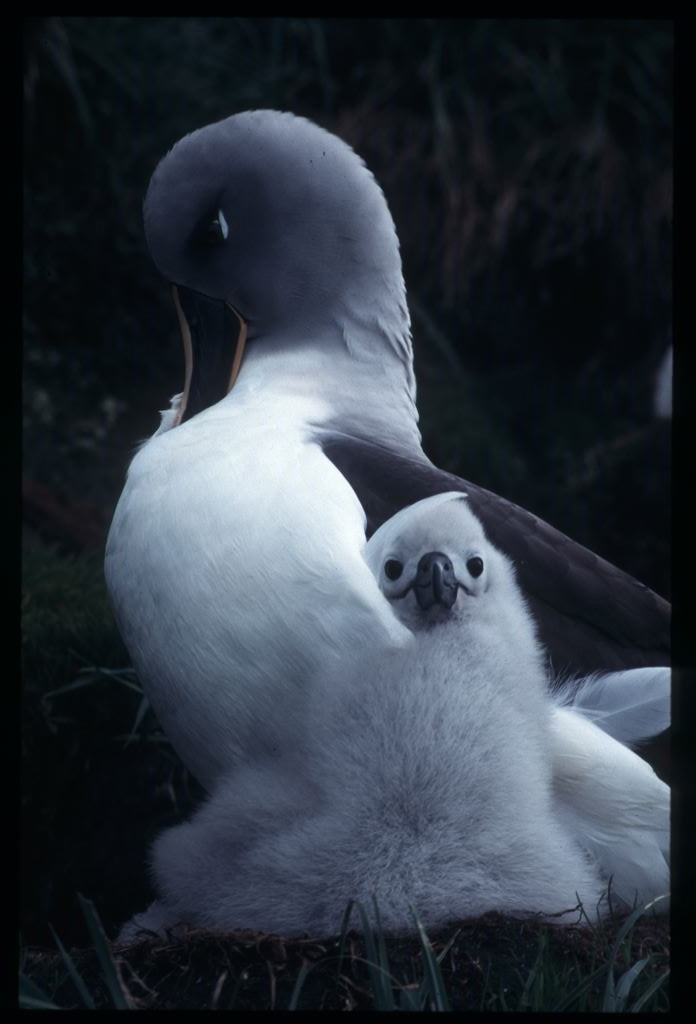 Marion Island situated in the Southern Ocean, Marion Island hosts globally populations of migratory seabirds. Species such as the Wandering Albatross, Grey-Headed Albatross, Sooty Albatross, and many more rely on the island for breeding and feeding. Many of these birds undertake journeys across oceans and continents. The island’s landscape and surrounding marine ecosystem make it one of the world’s most natural laboratories for seabird research and conservation. For decades, SANAP has supported internationally recognised research focused on seabirds, marine ecosystems, climate change, and conservation biology on Marion Island and Gough Island. A major contributor to this work is the world-renowned FitzPatrick Institute of African Ornithology at the University of Cape Town. Researchers from the FitzPatrick Institute, together with scientists from several South African and international institutions, have played a leading role in advancing understanding of seabird ecology, migration, breeding success, foraging behaviour, and population trends. This research contributes not only to South African conservation efforts but also to global scientific understanding of migratory species and Southern Ocean ecosystems.
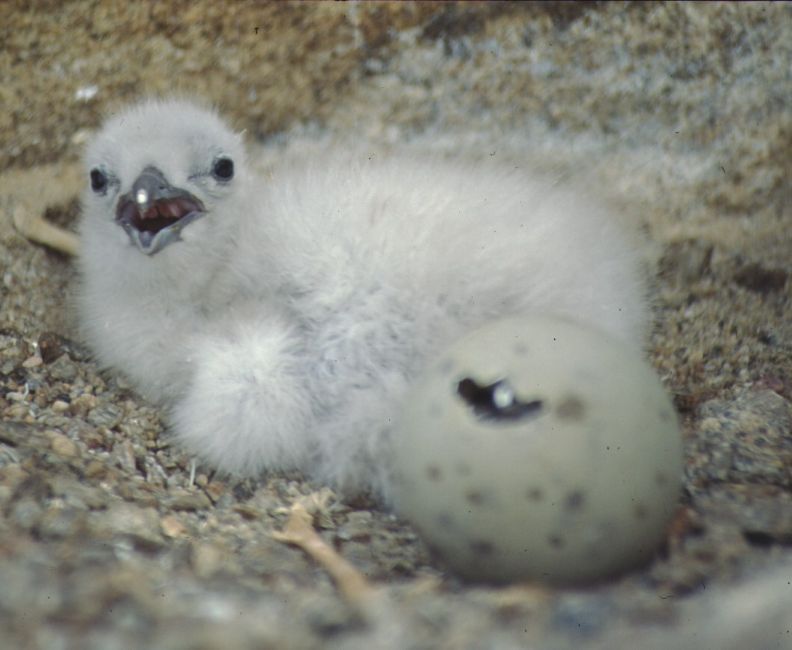 Every Observation Matters – The theme for World Migratory Bird Day 2026 reminds us that meaningful conservation is built on observations made over time. At SANAP stations, researchers, overwintering teams, voyage personnel, and field assistants regularly document bird life through their photographs. One particularly example is a timelapse video recorded by Otto Whitehead during a Marion Island takeover voyage in March 2023. Every image, every sighting, and every observation helps strengthen our collective understanding of migratory birds and the ecosystems on which they depend.
Protecting Birds Through the Marion Mouse-Free Project – Conservation on Marion Island also includes addressing one of the greatest threats facing seabirds on the island: invasive house mice. Over many decades, mice introduced accidentally to Marion Island have had devastating impacts on seabird populations.  In response, the Marion Mouse-Free Project was launched as a restoration initiatives and the project aims to eradicate invasive mice from Marion Island and restore the island’s ecological balance. The initiative represents a powerful collaboration involving conservationists, scientists, SANAP partners, donors, and volunteers working together to secure the future of Marion Island’s seabirds.
As we celebrate World Migratory Bird Day 2026, SANAP encourages everyone — researchers, voyage participants, photographers, citizen scientists, and bird enthusiasts — to continue observing, documenting, and sharing the natural wonders of migratory birds.
Because every bird counts.
And every observation matters.
Images: John Dickens – Stefan Schoombie – Jeanne Nel – Greg Hofmeyr – Bruce Dyer