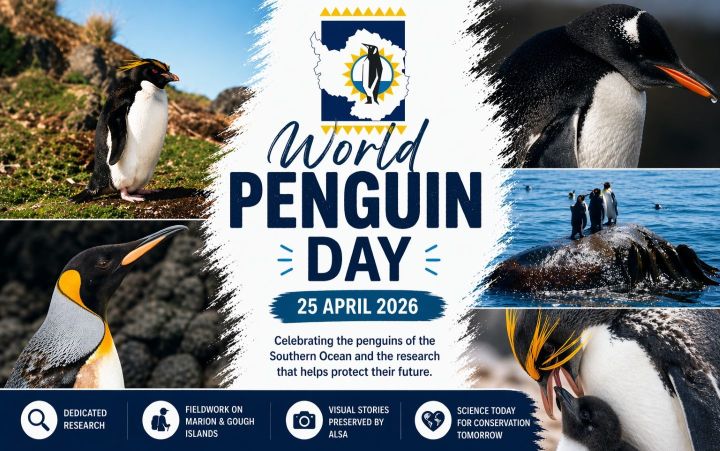
As we mark World Penguin Day on 25 April 2026, the South African National Antarctic Programme continues to play a vital role in advancing our understanding of penguin species across the Southern Ocean. Through long-term research led by dedicated scientists and field assistants, especially on Marion Island and Gough Island, SANAP contributes critical insights into penguin ecology, behaviour, and responses to environmental change. These efforts are further enriched by the invaluable visual contributions archived by the Antarctic Legacy of South Africa—images that bring science to life and enhance the impact of SANAP’s outreach on platforms like blogs and Facebook.
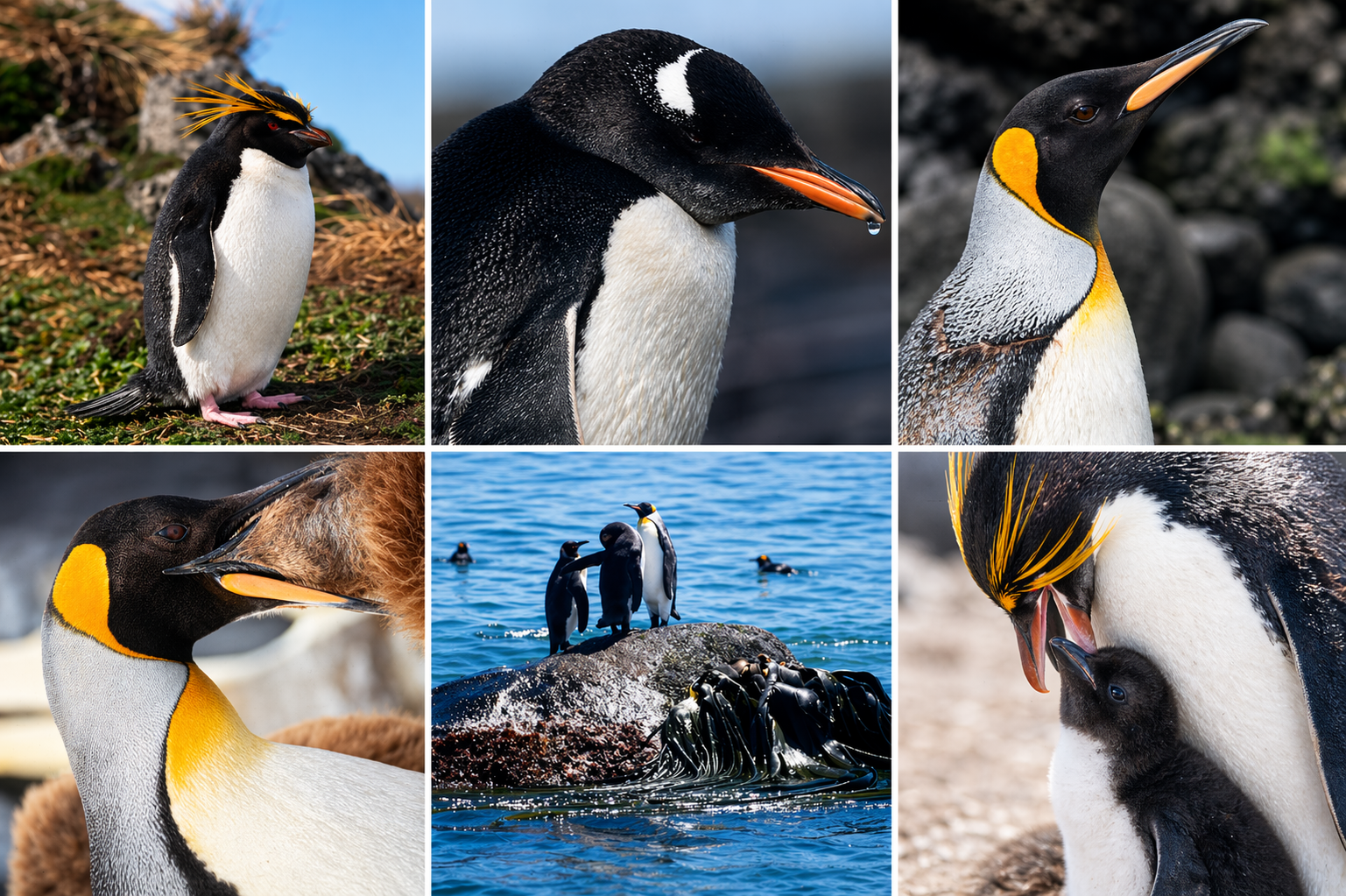 Feature (& above) photos(enhanced) contributed by Jeanne Nel (Hurford) member of Marion 53 1996-1997
 Macaroni Penguin: The Macaroni penguin is one of the most abundant penguin species studied within SANAP-supported regions, including Marion Island. Recognisable by its striking yellow-orange crest, this species forms vast breeding colonies that can number in the millions, offering researchers unique opportunities to study population dynamics and ecosystem interactions. Feeding primarily on krill and small marine organisms, macaroni penguins are also impressive divers, capable of reaching depths of up to 100 metres. SANAP researchers monitor their breeding success and foraging behaviour to better understand the health of subantarctic marine ecosystems.
 Emperor Penguin: The Emperor penguin, the largest of all penguin species, is a true symbol of Antarctic resilience. Although primarily found on mainland Antarctica rather than Marion or Gough Island, SANAP-affiliated research contributes to broader Antarctic ecosystem studies that include this iconic species. Adapted to survive extreme temperatures as low as −60°C, emperor penguins exhibit remarkable breeding behaviour, with males incubating eggs on their feet during the harsh winter months. Their ability to dive to depths exceeding 500 metres continues to fascinate scientists studying physiological adaptation and survival in extreme environments.
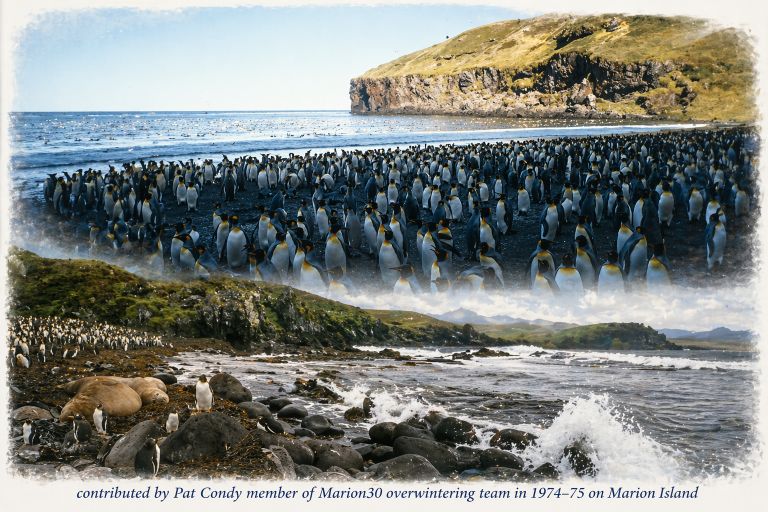
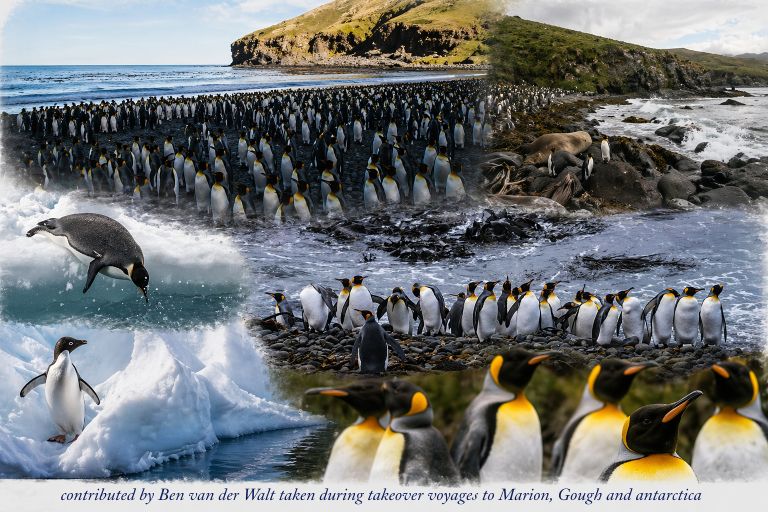
King Penguin: The King penguin is a prominent feature of Marion Island’s wildlife and a key focus of SANAP research. With their distinctive orange neck patches and large body size, king penguins form dense breeding colonies that provide valuable data on population trends and climate variability. Notably, they have the longest breeding cycle of any penguin species, lasting over a year, which makes them particularly sensitive to environmental changes. Researchers on Marion Island closely track their foraging patterns and breeding success to assess shifts in ocean conditions and prey availability.
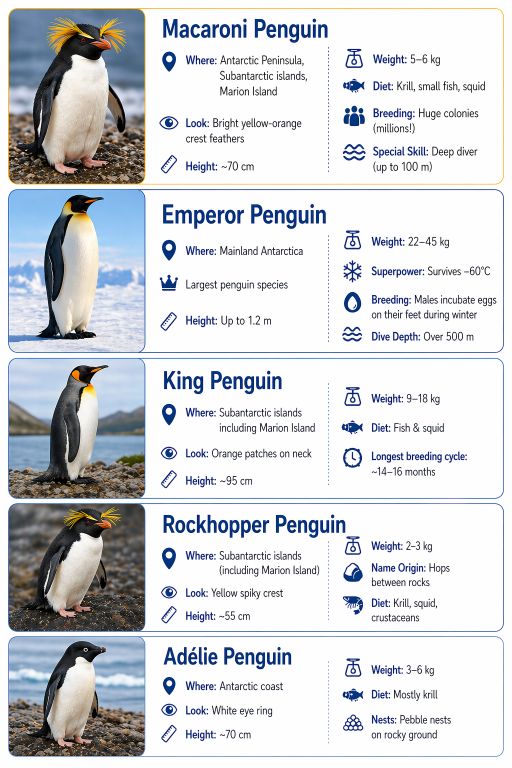 Rockhopper Penguin:The Rockhopper penguin, known for its energetic movements and spiky yellow crest, is a charismatic species found on Marion Island and other subantarctic locations. Its name comes from its habit of hopping across rocky terrain, often breeding on steep slopes that challenge both the birds and the researchers studying them. SANAP teams monitor their populations closely, as rockhopper penguins are considered vulnerable to environmental pressures. Their diet of krill, squid, and crustaceans links them directly to ocean health, making them important indicators in marine research.
Adélie Penguin: The Adélie penguin is a classic Antarctic species commonly found along the icy coastline. While not resident on Marion or Gough Island, it remains an important part of SANAP’s broader Antarctic research scope. Easily identified by the white ring around its eye, the Adélie penguin builds pebble nests on rocky ground and relies heavily on krill as a food source. Long-term monitoring of Adélie populations helps scientists understand the impacts of sea ice changes and climate variability on Antarctic ecosystems.
The accompanying infographic can also serve as a useful educational tool for learners, helping children engage with these remarkable species in their school projects.