by Ria Olivier | Jul 17, 2020 | Antarctica, Research, SA Agulhas II, SANAP Student, Science, SEAmester, Southern Ocean
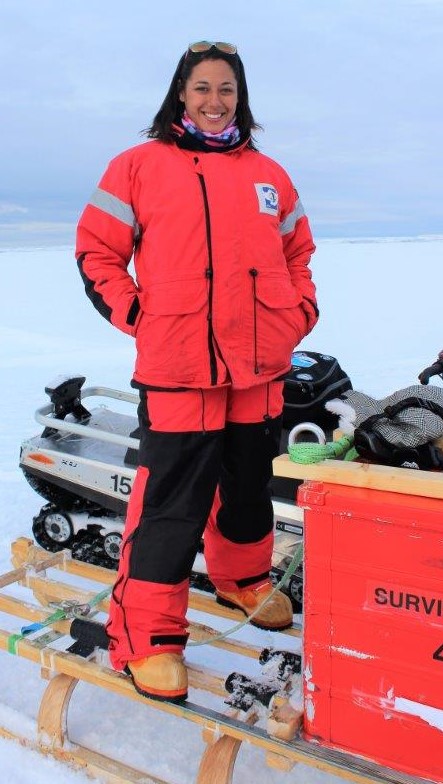 Where did it all started for Tahlia: “From an early age I have had an unbridled passion for the ocean and understanding technology, which led me to pursue my studies in Oceanography at the Cape Peninsula University of Technology (CPUT). I chose to study here as it provided a platform to not only gain academic experience within an oceanographic context, but to also gain field experience. In my third year (2014) I was placed at Bayworld Centre of Research and Education (BCRE) in order to complete a number of research projects which spanned across an array of oceanographic disciplines, namely: Marine Instrumentation, Marine Resource Management, Ocean Sciences and Marine Outreach. This placement exposed me to the different aspects of oceanography and allowed me to find my particular field of interest. It was there, at BCRE, that I was exposed to physical oceanography, data processing and development of marine instrumentation. I knew that I had found my niche within the oceanographic community and would strive to further my education, work experience and continue to learn and grow within this sector. After earning a National Diploma, I completed a BTech degree where I continued to work part-time at BCRE and develop my final research project. This project focused on the development of two sub-sea moorings, each housing a 75 kHz Acoustic Doppler Current Profiler (ADCP), which I was fortunate enough to deploy between two sub-Antarctic Islands—Marion Island and Prince Edward Island—while aboard the research vessel, SA Agulhas II.
Following the completion of my BTech degree, I continued to work on this mooring data over the next four years, returning to Marion Island and ensuring the safe retrieval and re-deployment of the sub-sea moorings. The data collected formulated the basis of my MSc research project, entitled Impact of ocean variability on Shelf-Seas surrounding the sub-Antarctic Prince Edward Islands.
In conjunction with my studies I’ve had the opportunity to take part in numerous oceanographic research cruises and expeditions. My first cruise, on board the RV Algoa with the operational oceanographic team from BCRE, exposed me to deep-sea mooring operations, in-situ data collection and hydrographic measurements. After this I joined the SA Agulhas II on its annual expedition to Gough Island and Tristan da Cunha, thereafter opening the door for numerous further excursions to sea. My subsequent extensive seagoing experience of over 20 cruises, from the North Sea, to sub-Antarctic islands, to Antarctica, has seen my responsibilities range from regularly being an oceanographic technician to acting as chief scientist on multiple occasions. In 2016 I was appointed as the co-ordinator of SEAmester, South Africa’s Class Afloat, which revealed a very different aspect of seagoing work, mainly from a logistic point of view and stepping into a teaching role. It has been truly rewarding to watch this programme grow over the last 5 years while working closely with Prof. Isabelle Ansorge, the Head of Department of Oceanography at the University of Cape Town. Together, we were able to mimic this programme on an international multi-disciplinary research cruise, the Antarctic Circumpolar Expedition (ACE), on board the RV Akademik Tryoshnikov as Leg Zero of a three-legged voyage.
More recently I have been exposed to the commercial oceanographic industry by working as a marine technician for Lwandle Marine Technologies. Albeit a brief time spent with Lwandle, I have experienced a very different aspect of oceanography in practice. I worked on a variety of contracts utilising skills I’ve gained over the years such as commercial diving operations, in situ data collection and hands-on instrumentation repairs/maintenance. These contracts also opened the door to innovative ways of thinking, problem solving and team work. I was also involved in equipment sales, field trip logistics and ‘meet and greets’ with clients which have been a great learning opportunity.
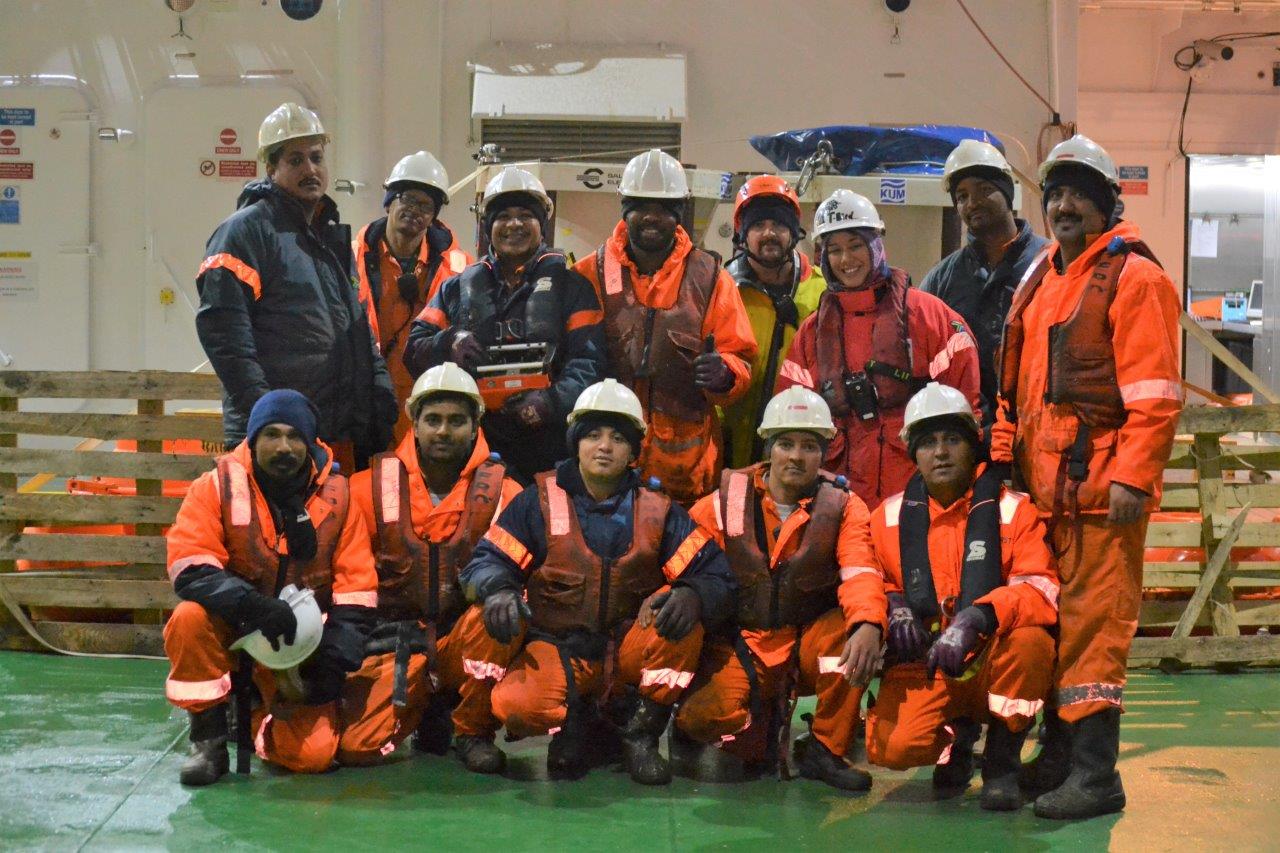
In December 2018 I was hired by the Flotilla Foundation and Weddell Sea Expedition (WSE) to serve on board the SA Agulhas II for the WSE chartered voyage. I was employed as the CTD technician, CTD data analyst, laboratory manager and winch driver for all tethered instruments. It was truly a great privilege to form part of this prestigious voyage, conducting science around the Larsen ice-shelf, Weddell Sea basin and finally hunting for Sir Ernest Shackleton’s Endurance.
In September 2019, I was accepted into the Hydrography MSc (taught Masters) programme offered at Plymouth University in England. Moving away from my family to a new country and starting a new masters seemed a daunting task. However, it was made easier by the amazing friends I made abroad. Plymouth became my home away from home and my friends became family. I gained an incredible amount of hands on experience within the Hydrographic industry and gained invaluable skills as a junior surveyor. Our lecturers are extremely dedicated and ensured that we were saturated in hydrographic literature and at the fore front of cutting edge hydrographic technology used within the industry. I am currently completing my dissertation in volumetric analysis of sediment transport over a prestigious ship wreck site. This is to aid the conservation, management of the wreck site and to provide first pass description of the sedimentology of the area. I am so excited about what the future may hold and look forward to blazing a path within the hydrographic industry and grow as a hydrographic surveyor.
I love my career as it is ever changing and growing with the current climate or latest technological advances. I have been able to see the world, visit remote and beautiful locations, sail the high seas and build incredible bonds with fellow scientists. It isn’t always an easy journey, but conquering the challenge of this lifestyle and career choice is what makes it worthwhile. The sense of adventure is never ending and I’m always learning along the way. Madame Curie once said that nothing in life is to be fear but rather understood, so that we understand more and fear less. I think this gives us a great sense of pride in what we do and to strive to be curious about our world, to best understand, preserve it and pass the torch on to future generations.
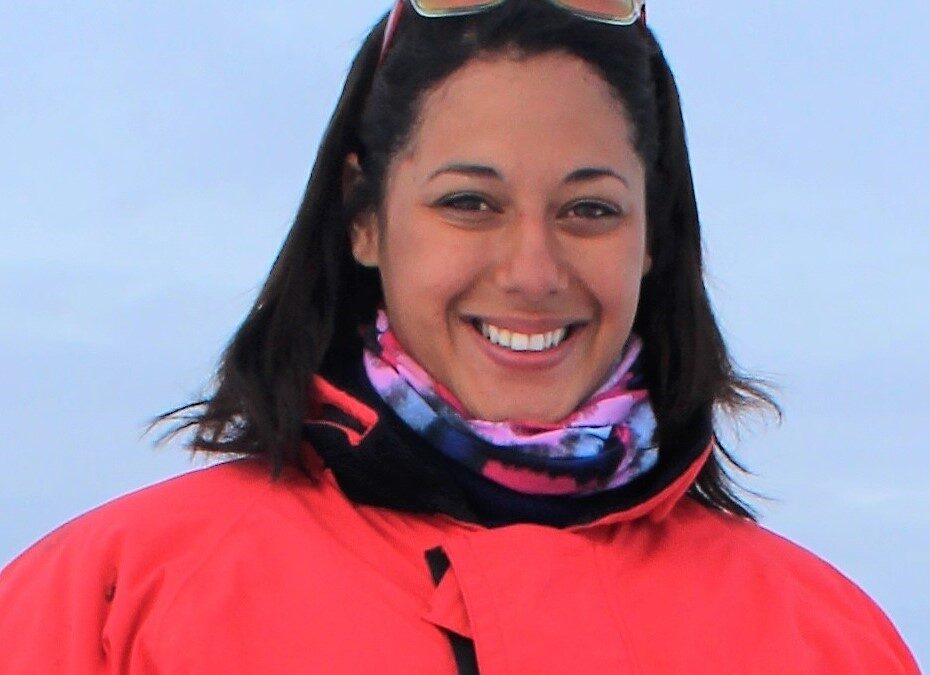
To future researchers, be diligent, work hard and persevere throughout your career. There will be challenging days but there will also be days that out shadow the challenges and fuel your passion for science. Always be teachable no matter your age, and always willing to learn and lend a hand to your fellow scientists. The work you do throughout your career will not only impact and improve your life but will pave the way for those coming up behind you. So take pride in what your work, rise up to the challenges and enjoy the journey! (Right: Photo credit:Alexander Oelofse during SEAmester)
Links to follow Tahlia or read more
Text and Images supplied by Tahlia Henry
by Ria Olivier | Jun 19, 2020 | Antarctica, Discover, Legacy
Sydney Cullis’s hobby turned out to be a bonus for the preservation of the Legacy of South Africa in the Antarctic region. ” It all started in 1993 when our son, James, was in Matric he had to produce a talk for one of the school societies and, as the Fiennes/Stroud “In the footsteps of Scott” expedition to cross Antarctica unsupported was in the news, he decided to choose it as his subject. To provide him with some guidance I started reading about the history of Antarctic exploration – and the more I read, the more fascinating I found it – and the more South African connections I came across. I was probably more receptive than I might otherwise have been as the first film I ever went to see (aged 6) was “Scott of the Antarctic” in 1948 and I have never forgotten the haunting soundtrack music of the Vaughan Williams’s 7th Symphony as they struggled up the Beardmore Glacier.
Sydney and Catherine at “furthest South”
Shackleton’s grave, South Georgia
Although born in Pretoria, I was at school and university in Cape Town. My surgical training started with internship at Groote Schuur Hospital and I was then fortunate to spend time in Zimbabwe, London, Edinburgh, Durban and, by then married to Catherine who I met in the pub after a hockey match in Durban, we returned to Cape Town. In 2007 , as per our partnership agreement, I retired from the practice but continued to assist my partners in theatre – and also celebrated my semi-retirement by undertaking a cruise from Ushuaia in Argentina to the Falklands, South Georgia and the Antarctic Peninsula as far as Petermann Island, just north of the Antarctic Circle. As a result of the Covid-19 pandemic I have now retired fully as it is recommended that surgeons over 60 should stay out of theatre.
John Cooper and Sydney at the Simon’s Town Historical Museum for a luncheon to commemorate the Centenary of Scott’s Midwinter Dinner – 5th June 2011
We visited the UK in 2008 and with my newfound interest in Antarctic history I contacted the Scott Polar Research Institute in Cambridge about the possibility of looking for further South African connections in their archives. Bob Headland, then the Director, replied with an invitation to visit them and he recommended that I read an article he had written on the very subject – “A history of South African Involvement in Antarctica and at the Prince Edward Islands” which to this day is still the definitive article on the subject. His co-author was John Cooper – and it was only when I returned home that I discovered that he was the same John Cooper that I’d been running with three times a week for several years – and was instrumental in the start of ALSA. I was totally unaware of his interest in, and wide knowledge of, Antarctic history and, needless to say, over the years since then we have continued to run together and John has passed on a wealth of information to me.
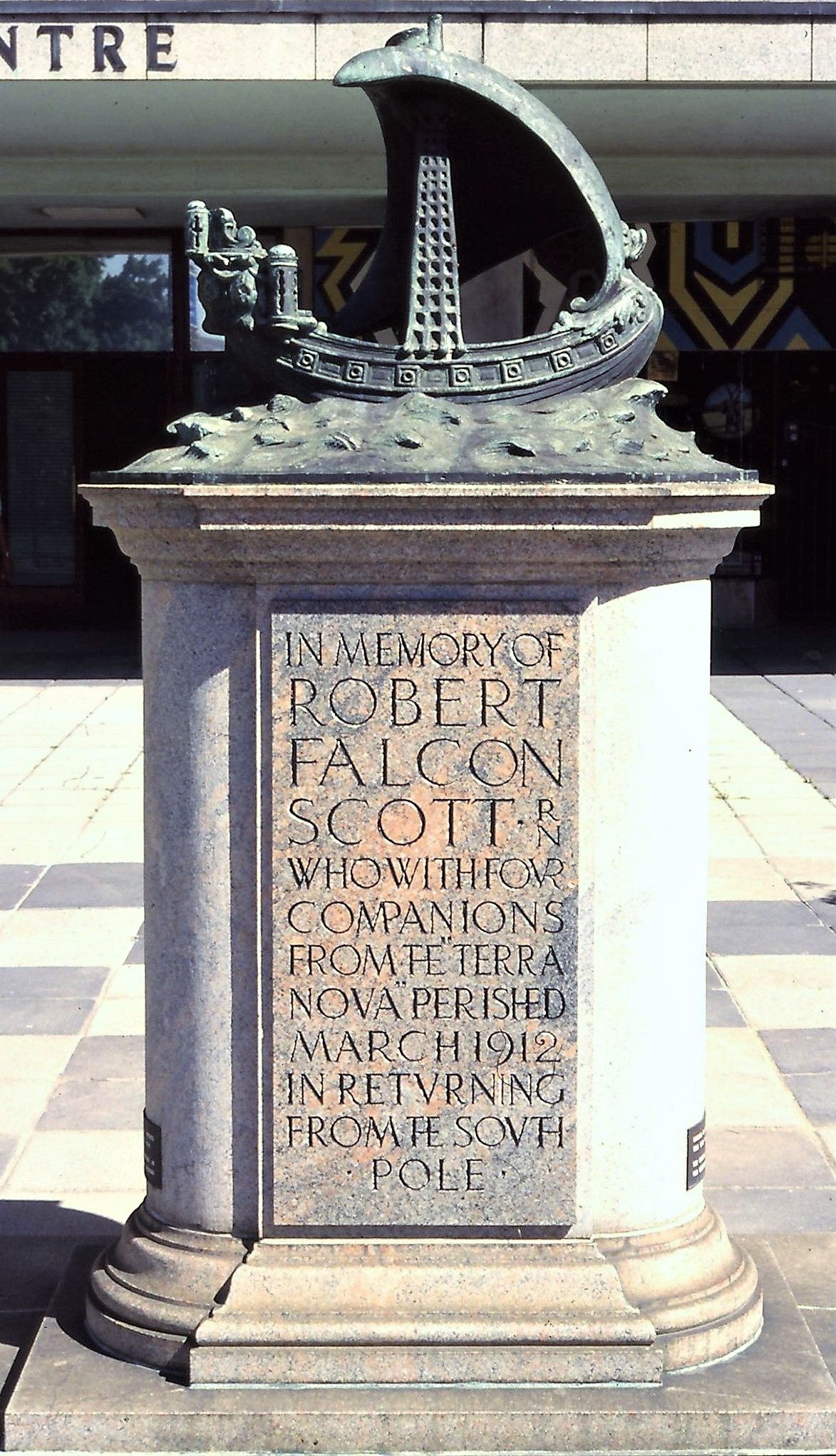
Initially my interest was in trawling through the published accounts of the Heroic Era expeditions for South African connections-and discovered that, not only did many of the expeditions use Cape Town or Simon’s Town as a revictualling port, but many of the members of those expeditions had spent time in South Africa either before or after their visits to Antarctica – Maclear (Challenger), Scott, Shackleton, Wild, Joyce, Ferrar (Discovery), Pirie (Scotia), Davis (Nimrod),Oates, Mears (Terra Nova), Gray (Aurora)and James (Endurance) are some of them. As I delved deeper into the subject, I realised that it was part of our history that was not well known here in South Africa. The only visible evidence of this that I was aware of was the Scott Memorial near to the fountain at the bottom of Adderley Street and a small display on Marion Island at the Iziko Museum.
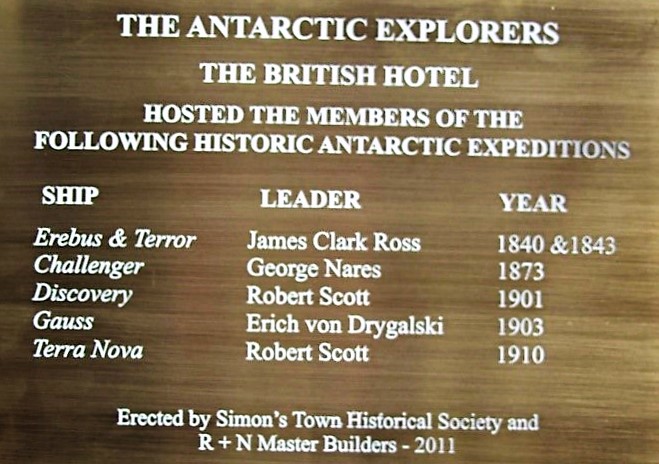
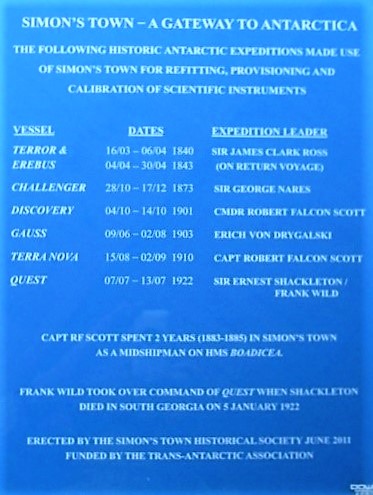
(Above: Cape Town Plaque, Plaque outside British Hotel and at Jubilee Square, Simon’s Town) I therefore tried to find ways of highlighting the concept that Cape Town and Simon’s Town were “Gateways to Antarctica” – by creating presentations to historical societies, U3A’s, UCT Summer School, and Ship Societies both in Cape Town and Durban. I also facilitated the erection of plaques listing the Antarctic expeditions that passed through Simon’s Town in Jubilee Square and the British Hotel there. Another plaque containing the list of the 17 historic Antarctic expeditions that had made use of Cape Town was made with a view to it being erected somewhere in the V & A Waterfront – but unfortunately it is still gathering dust somewhere there.
Another source of information has been the study of newspaper reports of their visits – thanks to the South African library. One such report on the departure of Aurora from Cape Town in 1911 mentioned how one of the huskies had fallen overboard and had been rescued by a passing dinghy. This enabled the episode to be recorded in a painting of her departure by Jeremy Day which was commissioned to celebrate the centenary of Aurora’s visit to Cape Town. In 2015 John Cooper had alerted me to the risk that the series of Peter Bilas paintings of Antarctic ships on SA Agulhas I might get lost or damaged when being transferred to the new S.A. Agulhas II. We therefore arranged for them to be restored (sponsored by GAC Shipping) and exhibited in the Iziko Maritime Museum at the V&A waterfront.
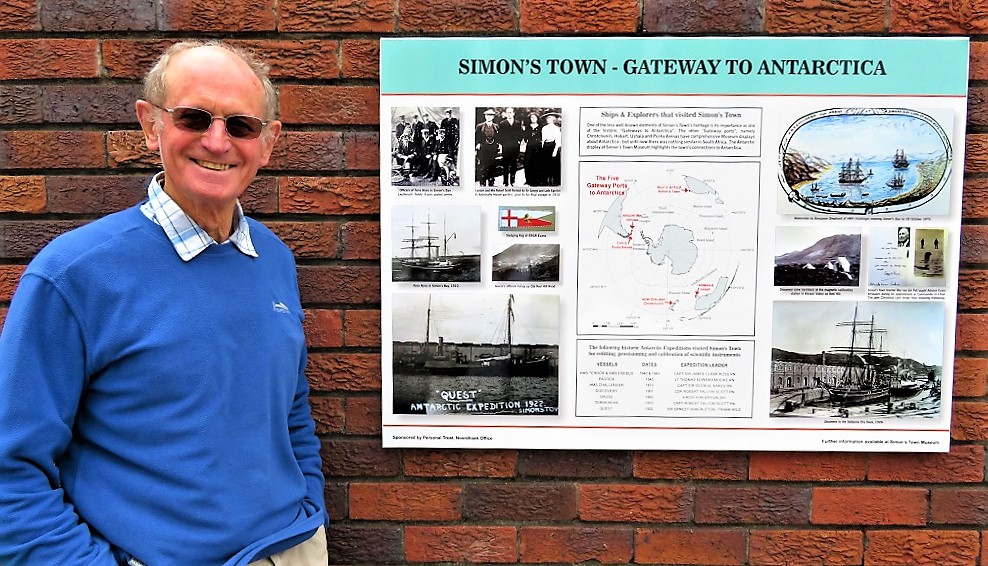
The Commonwealth Trans-Antarctic Expedition of 1955-8 was the first to cross the continent from the Weddell Sea to the Ross Sea – which Shackleton had failed to do in his Endurance expedition of 1914-17. The meteorologist on that expedition was Hannes la Grange, who thereby became the first South African to reach the South Pole and in 1959 he was appointed leader of the first South African expedition to Antarctica (SANAE 1). The surplus after the expedition established a fund and each year, as a result of Hannes’s participation, South Africans are able each year to apply for a grant for Antarctic research. In 2010 I applied for, and received, a grant which enabled an Antarctic display to be established at the Simon’s Town Historical Museum. Last year a poster entitled “Simon’s Town-a Gateway to Antarctica” was added to the Wall of Memory in the centre of the town(Top image with Sydney Cullis).
I have enjoyed the opportunity whenever Antarctic historians have visited Cape Town to show them our “Antarctic sites” – most memorably when showing Bob Headland around Simon’s town we discovered that Discovery’s badge had been added to those on the wall of the Selbourne drydock. Discovery had undergone an extensive refit in 1926 in the dock prior to her departure on a research voyage to South Georgia which paved the way to the international ban on whaling enacted in 1936
(above: Display at Simon’s Town Museum) The significant anniversaries of the historic Antarctic expeditions have been useful to raise awareness of them in South Africa. In December 2021 it will be 250 years since Marion Dufresne spent a month in Cape Town prior to his re-discovering the island which now bears his name and, as a result of its annexation 1947-8, it is an integral part of South Africa. We hope it will be suitably commemorated. Having a niche interest such as this has provided the opportunity when travelling away from Cape Town to search out items of Antarctic interest – (article on ALSA repository) I have been very fortunate to have been afforded the opportunity to develop a new interest/hobby which has resulted in my meeting so many very helpful individuals. I hope that it may have generated a more widespread interest in this relatively unknown facet of South African history.” This is definitely a field where research in the humanities and history of South Africa in the Antarctic can be done.
Text and Images supplied by Sydney Cullis.
by Ria Olivier | May 18, 2020 | Antarctica, Geomorphology, Marion Island, Research, Science
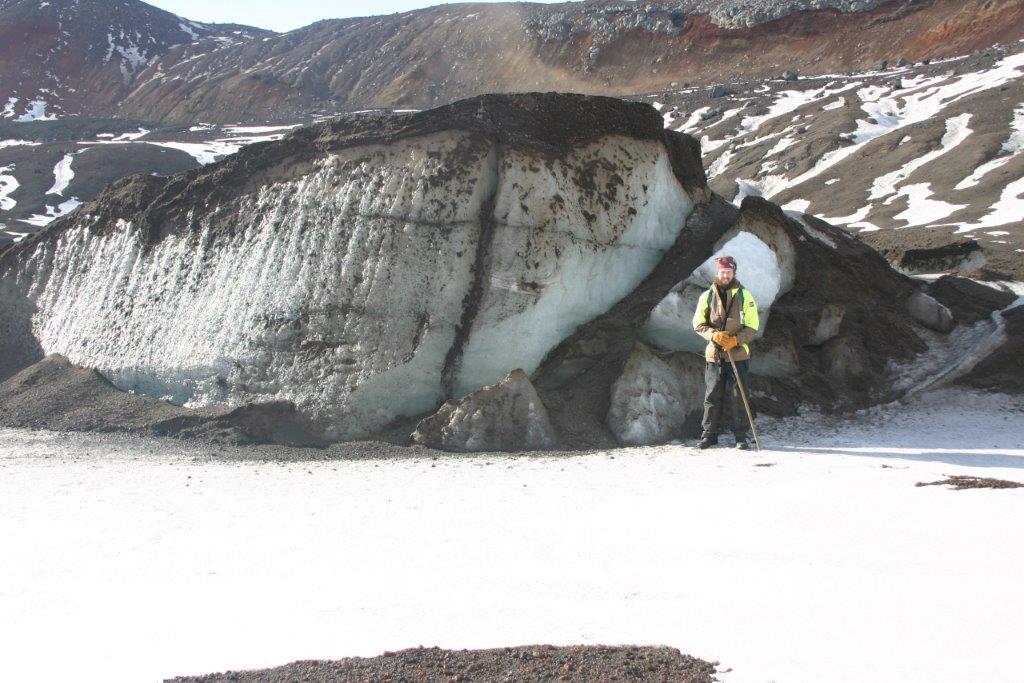
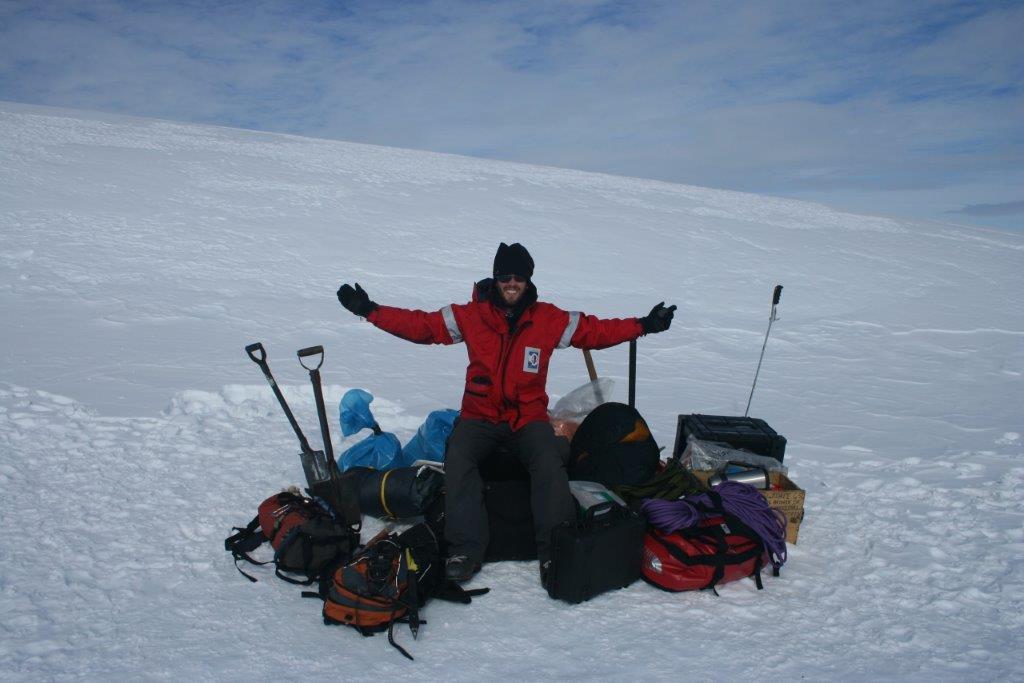
David William Hedding was born in Johannesburg and grew in Benoni on the East Rand (please don’t hold it against me) before going to boarding school in Pretoria. After a year in Ireland, I returned to study for a BSc in Geoinformatics at the University of Pretoria but it wasn’t long before the call of the mountains ignited my passion for geomorphology. This led to a switch into a BSc (Hons) in Geography to focus on physical geography. This is where it all started and I spent most of 2003 on field trips to the Drakensberg, Lesotho, Namibia as well as Marion Island where I conducted my first real piece of research which was to be published several years later. That first trip to Marion Island was a truly amazing experience and was fortunate enough to share a room with Marthan Bester and experience the life in the old base with all its leaks and mice. Two current Principal Investigators were also students and field assistants on that take-over. (Images Top: Marion Island Ice Plateau. Below: On Marion Island (l-r): Junior’s Kop, Tafelberg, Mesrug )
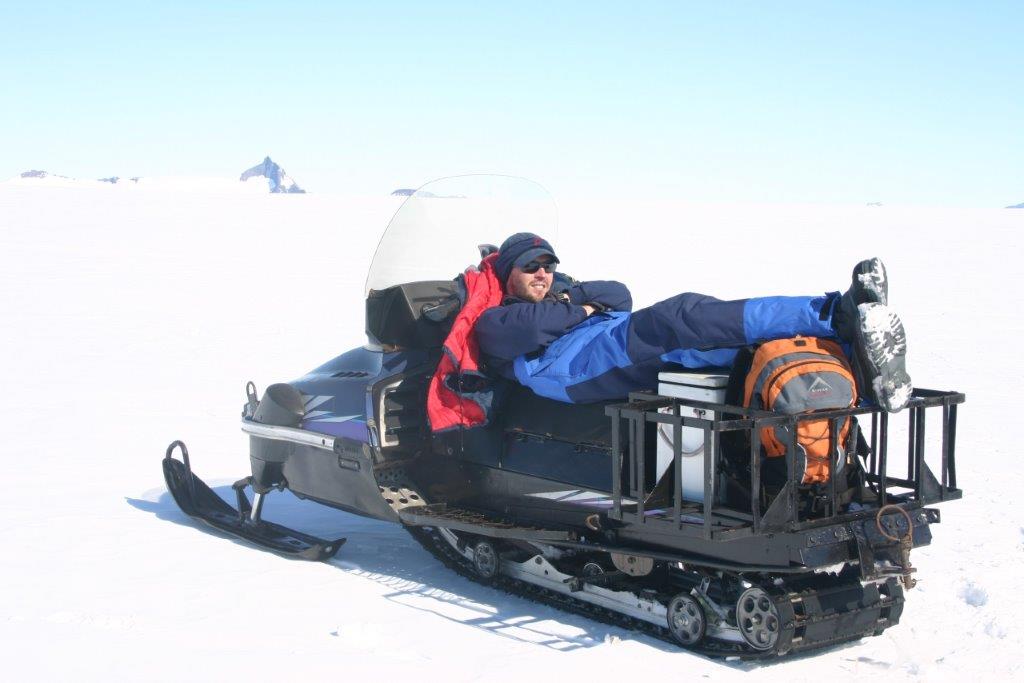
In 2004/05, I overwintered on Marion Island to complete my MSc on the geomorphology of the Central Highland of Marion Island. This led to many, many nights up at Katedraalkrans and countless adventures into the interior and Ice Plateau. In 2006, I took up a lectureship in Mahikeng (NWU) and I participated in two summer take-overs to SANAE IV (2007 and 2008). After two good years at NWU, I moved to Unisa where I still work today. Between 2008 and 2012, I had somewhat of a hiatus from the South African National Antarctic Programme (SANAP). I used this time to complete my PhD which focused on pronival ramparts. In 2013, I was invited to join Prof. Werner Nel as part of the Geomorphology Group for a take-over. This return to working on Marion Island has led to several collaborations and I have consistently participated in take-overs since then as co-investigator of the Geomorphology Group. (Images below: Antarctica)
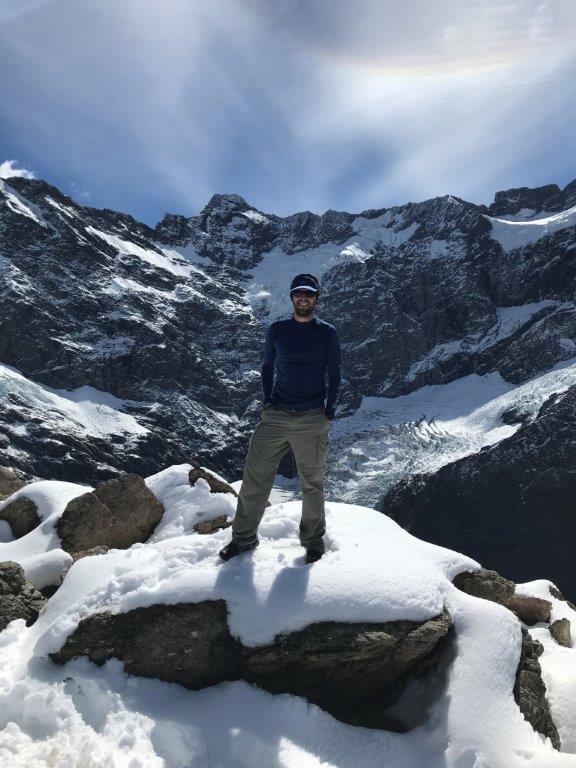
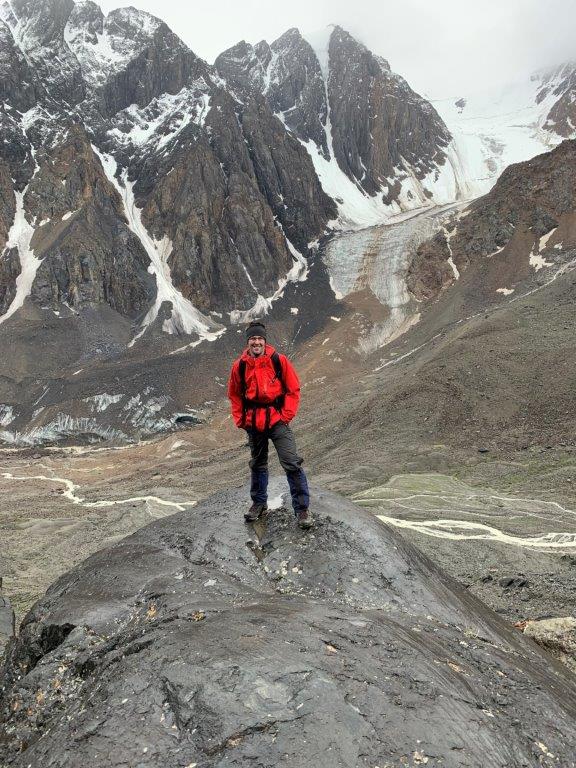
I truly love teaching and training students, but I enjoy research most of all. Gaining a better understanding of how earth surface processes operate, particularly in the context of climate change, is a never-ending quest. Climate change as well as the responses of landscapes to climate change impacts ecosystems so understanding these responses is crucial to get a clearer idea of what is currently happening on the island and elsewhere in the world. In addition, investigation of past landscape responses is also vitally important, and the Geomorphology Group is currently hard at work to reconstruct the glacial history of Marion Island. Currently, I am also the Principal Investigator of a NRF / NSFC funded grant with Chinese collaborators. This grant focuses on weathering and landscape evolution of basaltic fields and has led to several publications. I have also been extremely fortunate enough to have conducted research in New Zealand, Mauritius and Siberia and I have been involved in a little research on the transformation of the Higher Education sector in South Africa as well as the changing and challenging research landscape in South Africa. (Images below l-r: New Zealand, Siberia, Mauritius)
Through the South African National Antarctic Programme (SANAP), I have been lucky enough to have been mentored and supervised by Profs Paul Sumner and Ian Meiklejohn who provided me with many opportunities for which I will be eternally grateful. During various voyages I have met many inspiring scientists who are truly incredible people, many of whom I can call friends. In particular, I now have the privilege of working with a passionate team led by Prof. Werner Nel, who I have known for almost two decades. This close working relationship has led to several epic adventures to not only Marion Island but also to the Antarctic, Siberia, China and Mauritius. And over the years, I have also supervised some amazing students who have worked hard and succeeded. This aspect has been particularly rewarding. As a researcher, my aim is simply to do good science and I truly enjoy collaborating with others. The diversity of the research conducted within SANAP is one of its strengths. Several different projects have made great strides in providing a better understanding of different aspects of Marion Island and the Antarctic and the integration of this research has the ability provide a better understanding of how these environments operate, as a whole, in a changing world. Research is difficult and hardly ever turns out exactly as planned, 2020 is a prime example of this. So, my advice to fellow early career scientists is to collaborate as much as possible, particularly with researchers in other disciplines and projects. Then to those post-graduate students out there, just persevere and do the best you can in these trying times. COVID-19 is impacting everyone so colleagues and students alike need to look after their physical and mental health and hopefully we will all be able to return to our field sites in the near future to conduct the work we love.
Unisa’s Associate Professor David Hedding, from the Department of Geography in the College of Agriculture and Environmental Sciences (CAES), is one of the recipients of the 2019 Chancellor’s Awards for Excellence in Research. This award is a way of recognising those who strive for excellence in research and the prize is regarded as the most prestigious for research and innovation at Unisa. Hedding has received the same award more than once.
Text: David Hedding. Photo credits: David Hedding. Cover Photo taken in Siberia.
by Ria Olivier | Mar 1, 2020 | Antarctica, Fellowship, Marion Island, Research, SANAP, Science, Southern Ocean, Uncategorised, Women in Science
11 February 2020 was the International Day of Women and Girls in Science and 8 March 2020 is International Womens day. Within the SANAP environment there are many women, this article highlight four early women career scientists.
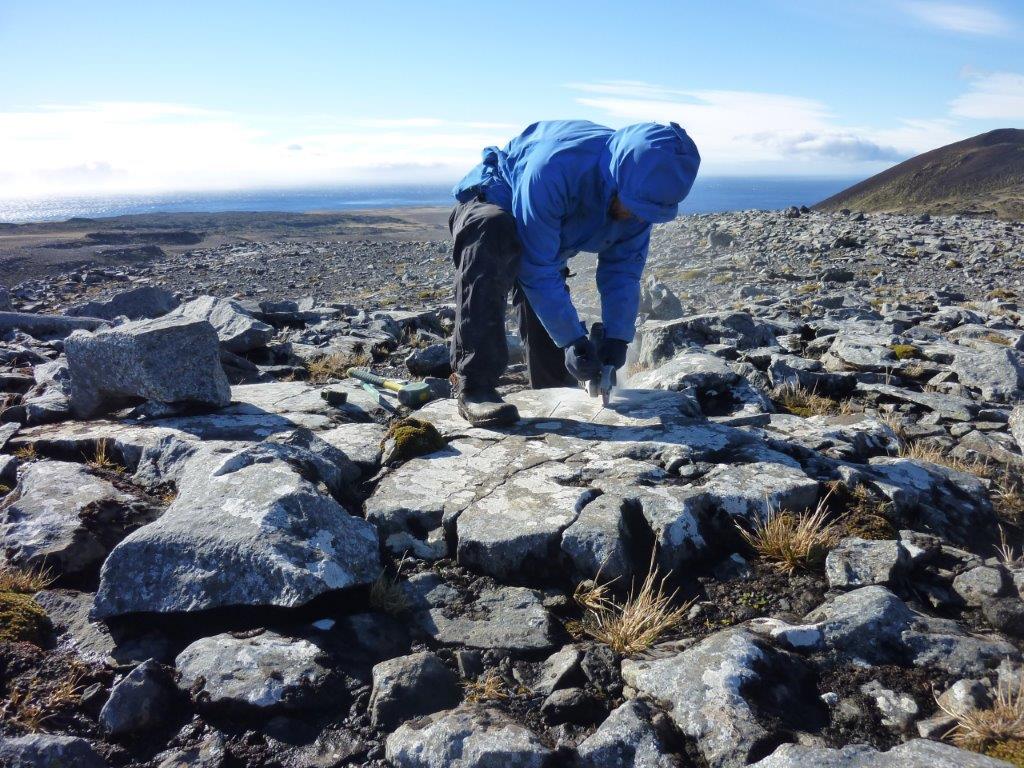
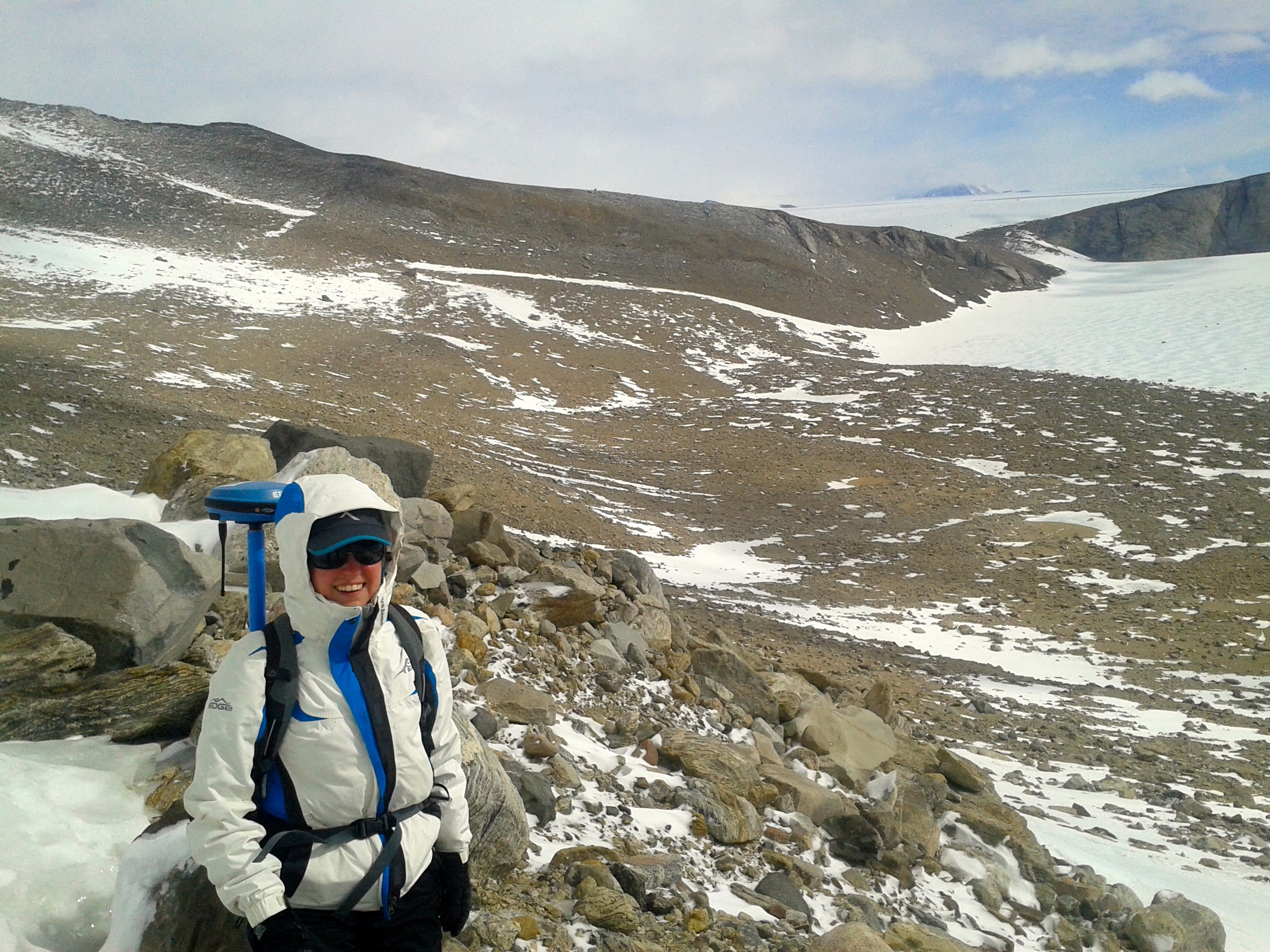
Liezel Rudolph is chair of the Association of Polar Early Career Scientists (APECS) of South Africa. She is a PhD student, working on cosmogenic nuclide surface exposure dating of Marion Island in the sub-Antarctic. Her research is on the impact of various physical factors on landscape change, for example: animals (seals in particular) on soil properties and vegetation community composition; ice, above or below the ground surface. Geomorphology or better known as Physical Geography is her area(s) of Interest and more specifically, the processes behind Periglacial Landforms and to a lesser extent Biogeomorphology. She is fascinated by cold and mountainous places, and thus prefer to work in environments like the High Drakensberg, Subantarctic Marion Island or Antarctica. Liezel is a lecturer at the University of the Free State, Bloemfontein and one of the founding members of APECSSA. Since June 2019 she is the APECSSA Chair. Her Master’s work on rock glaciers took her to Antarctica twice (2013/14 & 2014/15), while her Honors studies led to a visit to Marion Island (2011). Her PhD studies have since taken her to Marion Island again (in 2017), most recently in 2019.
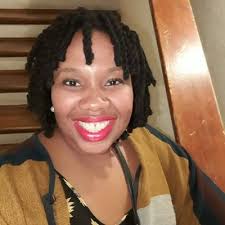
Kolisa Yola Sinyanya is a PhD. candidate in Oceanography at the University of Cape Town (UCT). Her Ph.D. research is part of a growing body of work that critically examines biogeochemical cycling in the ocean, particularly regions that are currently under-sampled. The research aims involve exploring phytoplankton community dynamics and microbe-nutrient interactions in the Indian Ocean, including subtropical and Southern Ocean waters. To-date, Kolisa has been awarded the Advancing Womxn Fellowship in the Department of Oceanography. She is a Black Women in South Africa Fellows of 2019. In 2019 she was nominated as one of the Inspiring Fifty Women in STEM South Africa. Kolisa has a passion for learning science and for sharing her science and this PhD programme has allowed her to engage in effective science communication through both public speaking and scientific writing. Kolisa’s work has also been documented in the academic communication magazine, The Conversation Africa. Earlier this year she was invited to be on the “New Voices” panel at the annual Nature, Environment and Wildlife Filmmakers Congress. Sinyanya is committed to increasing the visibility of women in STEM and to that end, she runs a blog called Women In Science Hub.
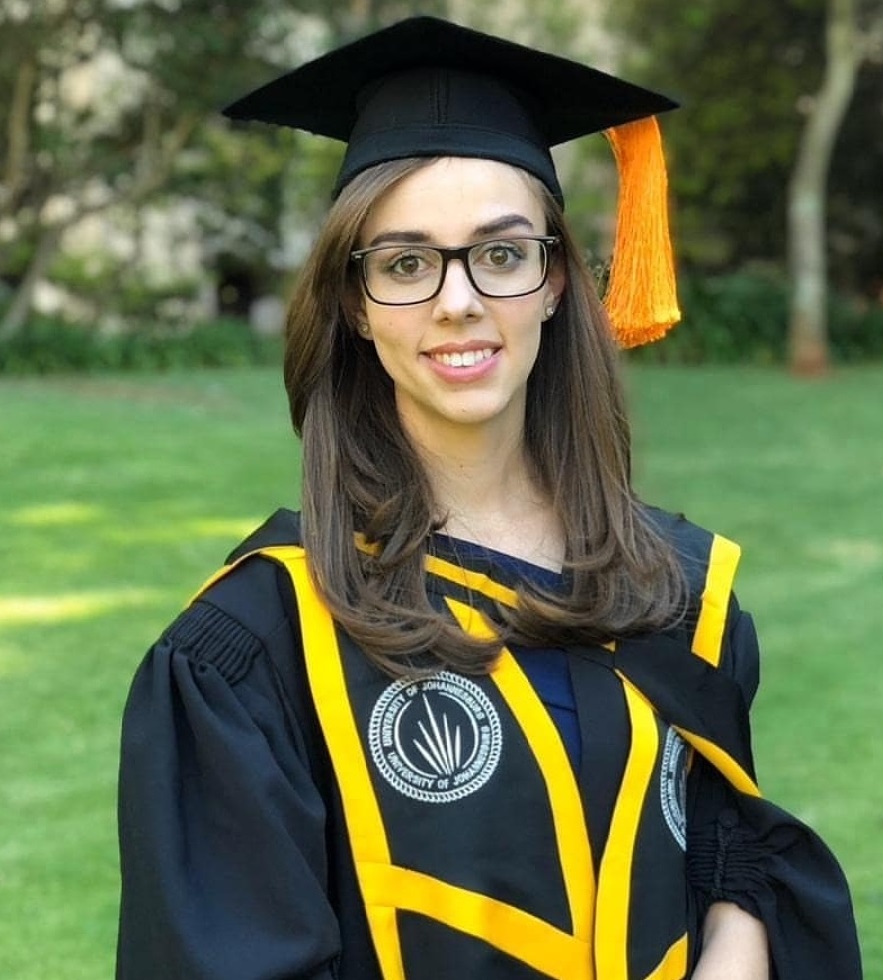
Daniela Monsanto is a PhD Candidate at University of Johannesburg. She has just been awarded the HJ Scoonbee medal for the best MSc Dissertation in Zoology(UJ) Her work documented the fine scale genetic patterns in a springtail species on Marion Island. Daniela is using next-generation sequencing technologies to develop a suite of informative markers (including whole gnome assembly) to address ecological and evolutionary questions of the springtail species, Cryptopygus antarcticus travei, on Marion Island. Her work will allow us to identify the forces that impose strong selection pressures on the organism and the genes that experience selection in response to environmental change. Her results highlighted complex spatial genetic patterns that could be driven by micro-habitat preferences and/or a fitness funnel driven by local adaptations. This complexity illustrates that individuals respond to environmental changes. Her results may bring about far-reaching implications for conservation management on Marion Island, highlighting the importance of considering fine-scale evolutionary processes in management plans. In essence, her results emphasize that conservation efforts are best addressed in a ‘bottom-up’ approach as opposed to a ‘top-down’ approach, which is the case for (Southern Ocean) biodiversity. She is passionate about her work and is extremely fond of the world down south. Daniela loves everything about nature, the outdoors, and sports, particularly soccer, of which she is part of a ladies team in a provincial league. She enjoys spending time with her friends and family, and in her free time, she enjoys the hobby of fishkeeping.
Rudzani Silima is the first Champion for the Antarctic Cities Youth Expedition(ACYE). She is currently a Capetonian and studies towards a Masters in Physical/Chemical Oceanography, through the Nelson Mandela University. She was one of 41 students that qualified for this year’s SEAmester cruise and won the prize for best student on-board. During the SEAmester cruise, Rudzani showed her passion for science, nature and especially the Southern Ocean. She has ambition that will not be held back and we are convinced that she will become an Antarctic ambassador at heart and further the connection between Cape Town and the Antarctic, as part of the network of gateway cities toward the Antarctic. Her expectation for the expedition before she left : “I look forward especially to interacting with the other young leaders and researchers chosen for this expedition to possibly establish connections. As an aspiring Oceanographer, Antarctica is an important milestone in my career, it represents the pinnacle of science, cooperation and diplomacy. To be the South African ambassador for this project is a privilege and is extremely humbling.” Rudzi arrived back in Cape Town on 28 February 2020 from the first ACYE
These early career women scientists have done presentations all over the world at international and national events where they represented South Africa and their institutions and have been authors and co-authors of articles in scientific magazines They are an inspiration to the girls of South Africa in Science.
by | Aug 5, 2019
Newsletters. Newsletters SANAE. Team YearNumber of Newsletters SANAE 61 (S61)20221 SANAE 60 (S60)20210 SANAE 59 (S59)20200 SANAE 58 (S58)201910 SANAE 57 (S57)201813 SANAE 53 (S53)20148 SANAE 52 (S52)20139 SANAE 51 (S51)201210 SANAE 50 (S50)20114 SANAE 49 (S49)201010...

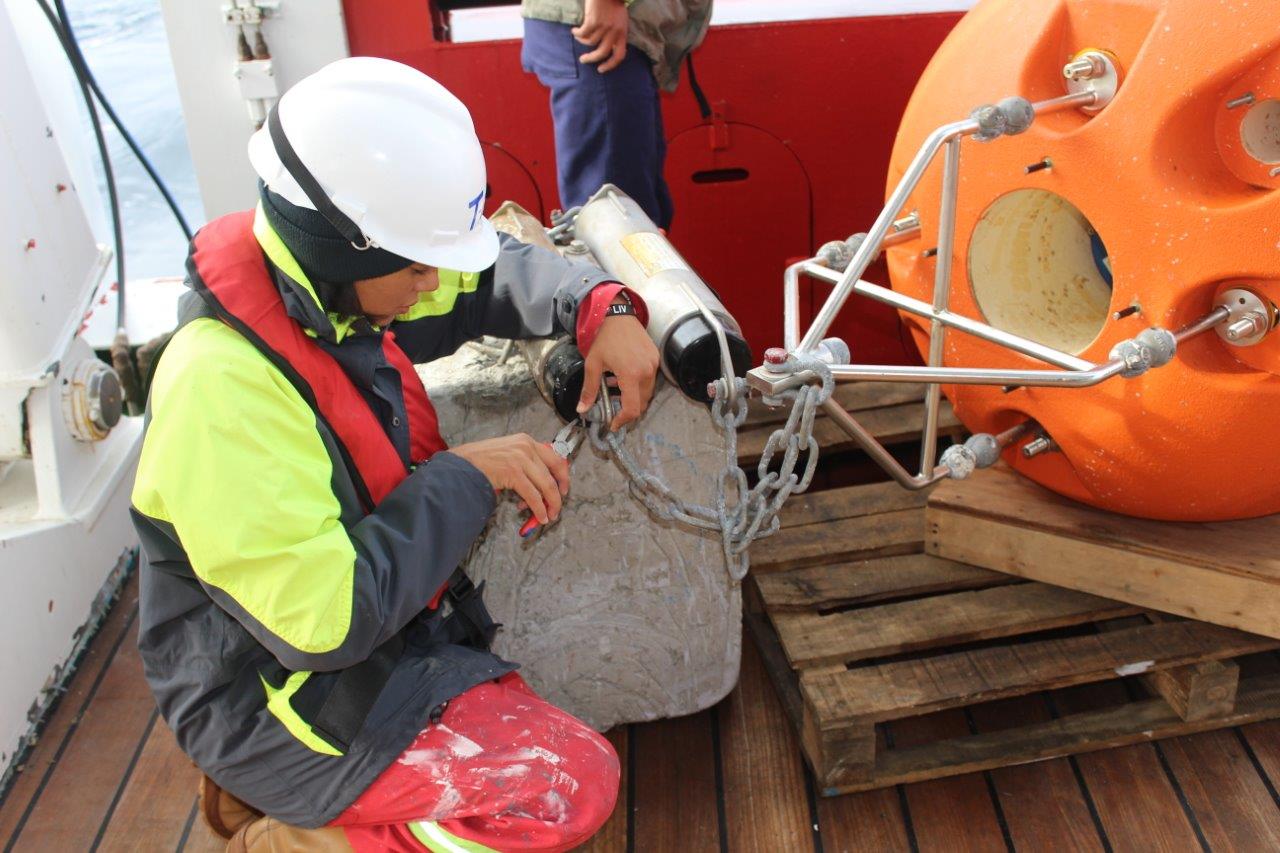 Following the completion of my BTech degree, I continued to work on this mooring data over the next four years, returning to Marion Island and ensuring the safe retrieval and re-deployment of the sub-sea moorings. The data collected formulated the basis of my MSc research project, entitled Impact of ocean variability on Shelf-Seas surrounding the sub-Antarctic Prince Edward Islands.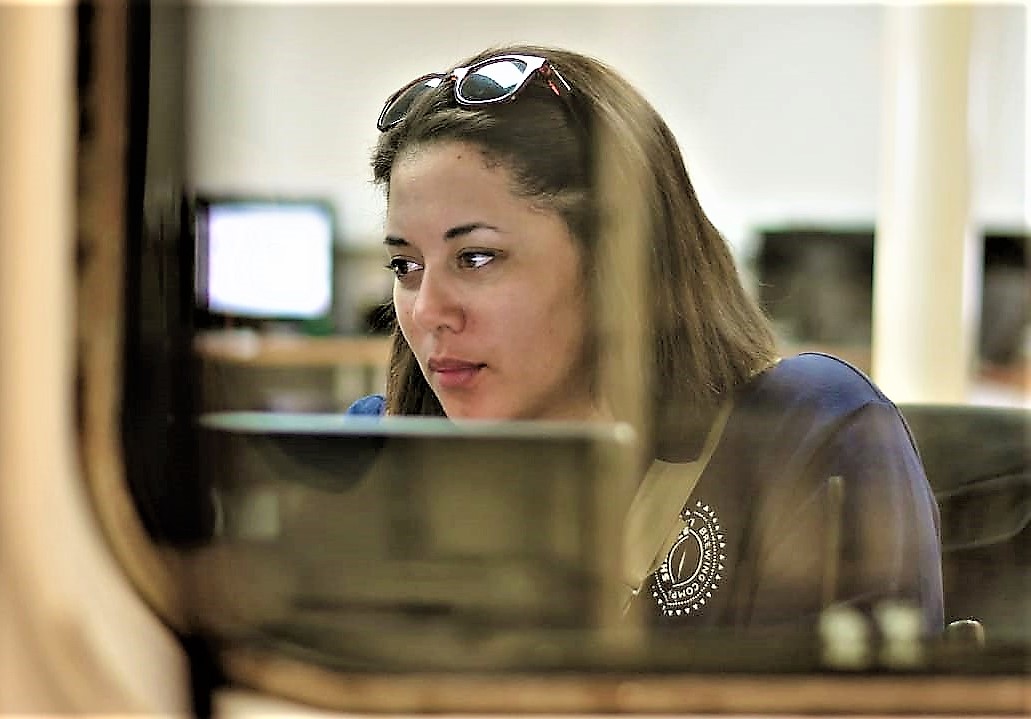
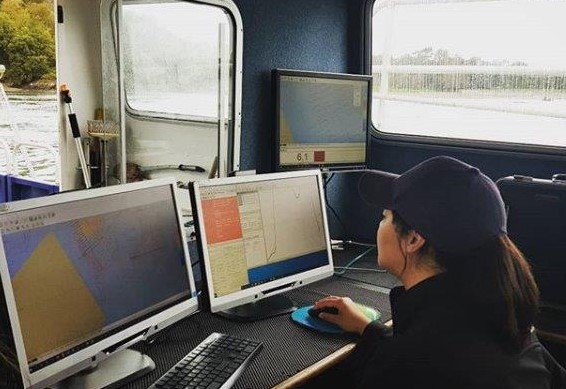
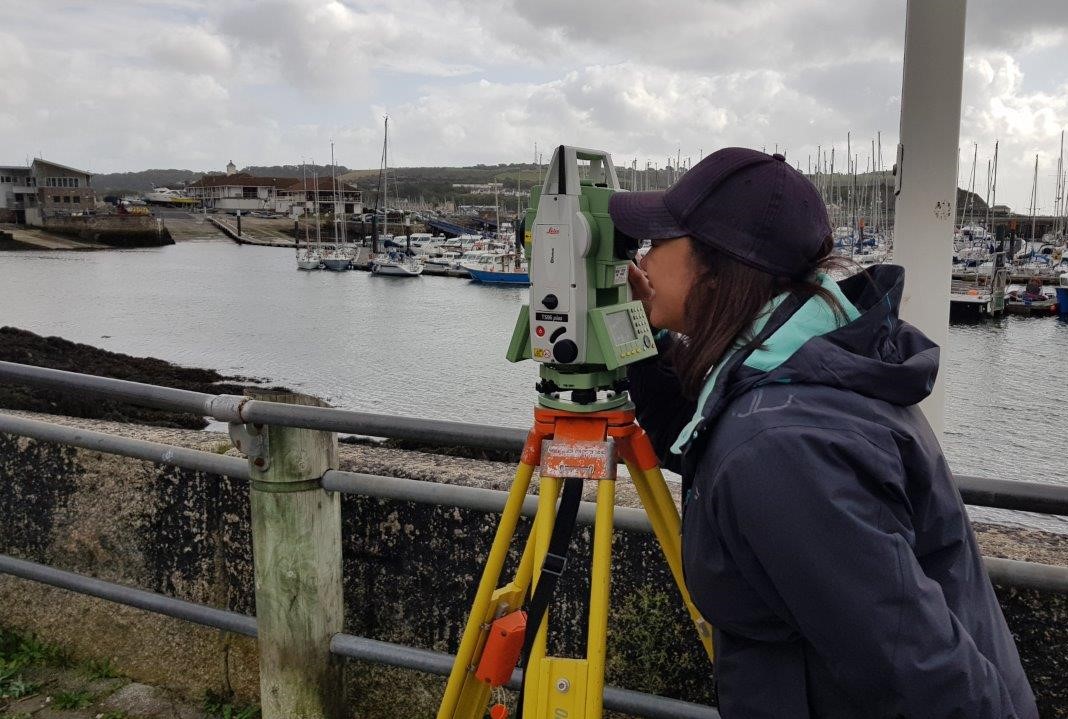 More recently I have been exposed to the commercial oceanographic industry by working as a marine technician for Lwandle Marine Technologies. Albeit a brief time spent with Lwandle, I have experienced a very different aspect of oceanography in practice. I worked on a variety of contracts utilising skills I’ve gained over the years such as commercial diving operations, in situ data collection and hands-on instrumentation repairs/maintenance. These contracts also opened the door to innovative ways of thinking, problem solving and team work. I was also involved in equipment sales, field trip logistics and ‘meet and greets’ with clients which have been a great learning opportunity.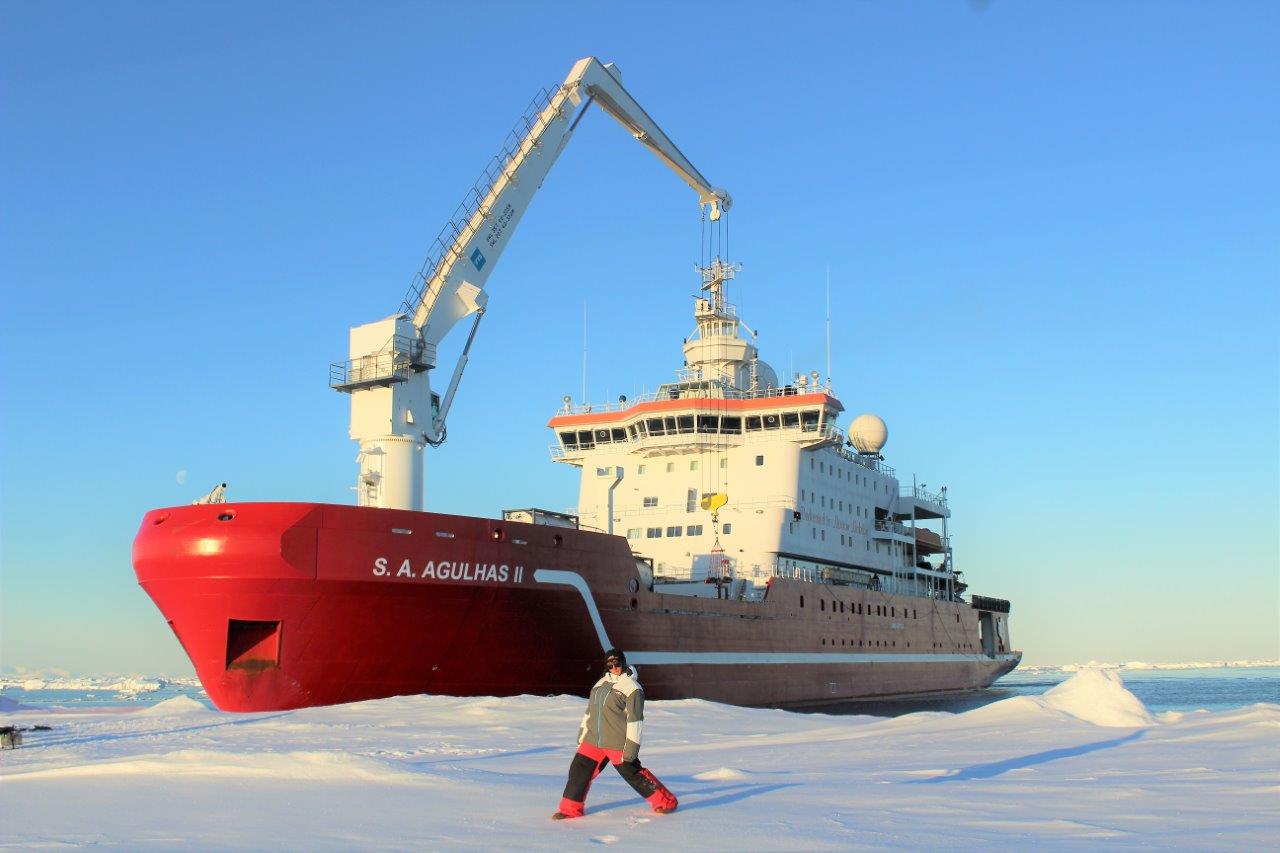
 In December 2018 I was hired by the Flotilla Foundation and Weddell Sea Expedition (WSE) to serve on board the SA Agulhas II for the WSE chartered voyage. I was employed as the CTD technician, CTD data analyst, laboratory manager and winch driver for all tethered instruments. It was truly a great privilege to form part of this prestigious voyage, conducting science around the Larsen ice-shelf, Weddell Sea basin and finally hunting for Sir Ernest Shackleton’s Endurance.
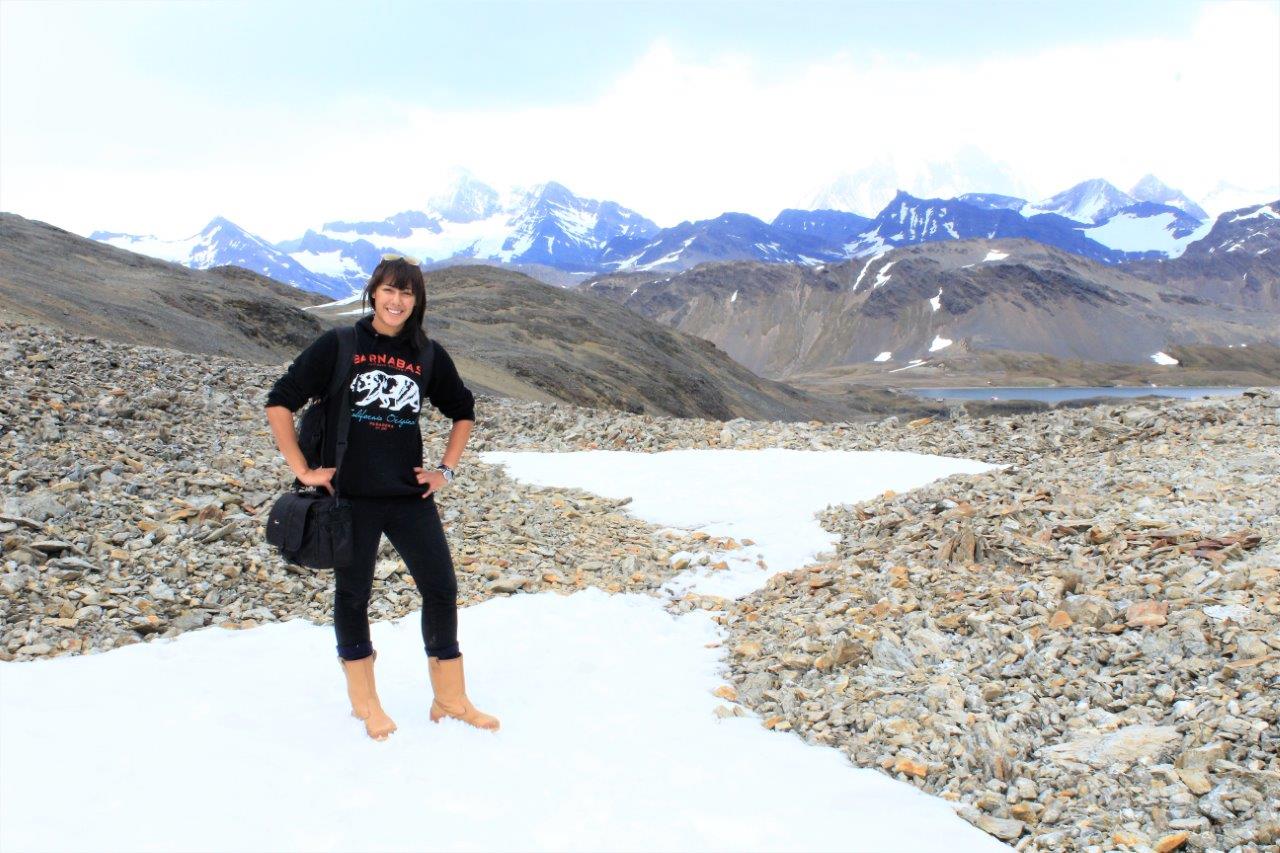 I love my career as it is ever changing and growing with the current climate or latest technological advances. I have been able to see the world, visit remote and beautiful locations, sail the high seas and build incredible bonds with fellow scientists. It isn’t always an easy journey, but conquering the challenge of this lifestyle and career choice is what makes it worthwhile. The sense of adventure is never ending and I’m always learning along the way. Madame Curie once said that nothing in life is to be fear but rather understood, so that we understand more and fear less. I think this gives us a great sense of pride in what we do and to strive to be curious about our world, to best understand, preserve it and pass the torch on to future generations.
 To future researchers, be diligent, work hard and persevere throughout your career. There will be challenging days but there will also be days that out shadow the challenges and fuel your passion for science. Always be teachable no matter your age, and always willing to learn and lend a hand to your fellow scientists. The work you do throughout your career will not only impact and improve your life but will pave the way for those coming up behind you. So take pride in what your work, rise up to the challenges and enjoy the journey! (Right: Photo credit:Alexander Oelofse during SEAmester)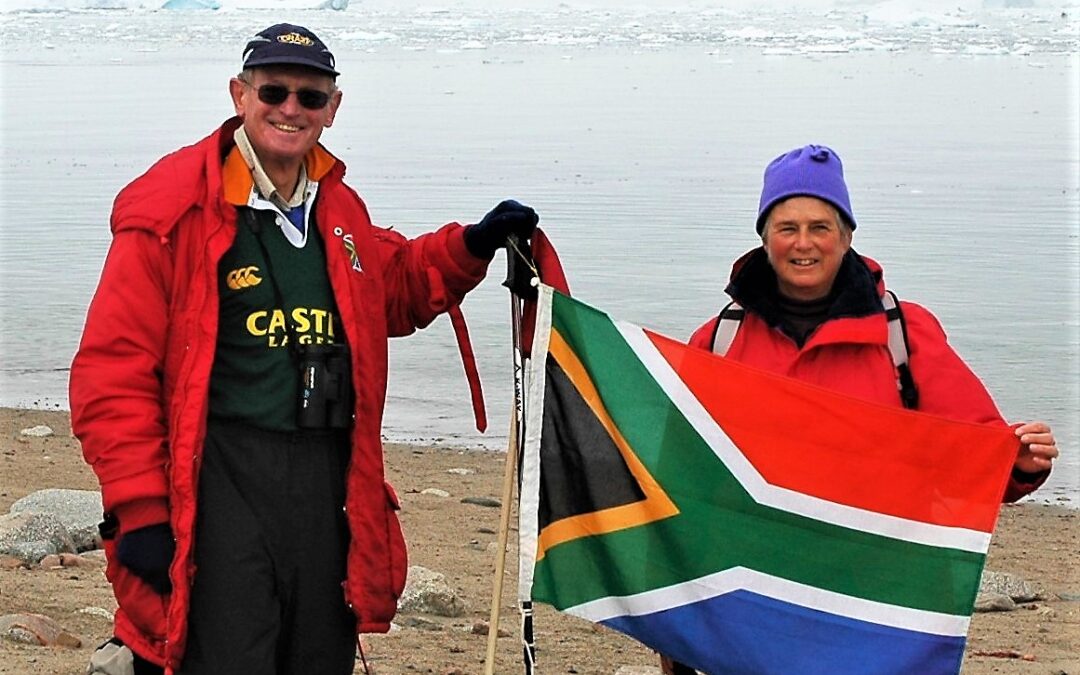
 Sydney Cullis’s hobby turned out to be a bonus for the preservation of the Legacy of South Africa in the Antarctic region. ” It all started in 1993 when our son, James, was in Matric he had to produce a talk for one of the school societies and, as the Fiennes/Stroud “In the footsteps of Scott” expedition to cross Antarctica unsupported was in the news, he decided to choose it as his subject. To provide him with some guidance I started reading about the history of Antarctic exploration – and the more I read, the more fascinating I found it – and the more South African connections I came across. I was probably more receptive than I might otherwise have been as the first film I ever went to see (aged 6) was


 Initially my interest was in trawling through the published accounts of the Heroic Era expeditions for South African connections-and discovered that, not only did many of the expeditions use Cape Town or Simon’s Town as a revictualling port, but many of the members of those expeditions had spent time in South Africa either before or after their visits to Antarctica – Maclear (Challenger), Scott, Shackleton, Wild, Joyce, Ferrar (Discovery), Pirie (Scotia), Davis (Nimrod),Oates, Mears (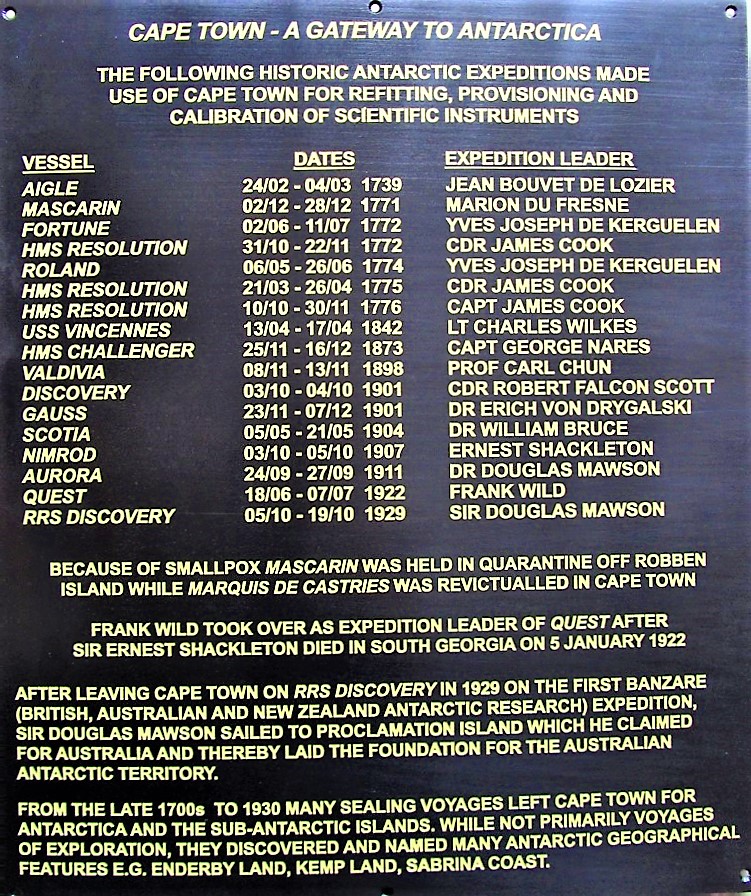
 (Above: Cape Town Plaque, Plaque outside British Hotel and at Jubilee Square, Simon’s Town) I therefore tried to find ways of highlighting the concept that Cape Town and Simon’s Town were “Gateways to Antarctica” – by creating presentations to historical societies, U3A’s, UCT Summer School, and Ship Societies both in Cape Town and Durban. I also facilitated the erection of plaques listing the Antarctic expeditions that passed through Simon’s Town in Jubilee Square and the British Hotel there. Another plaque containing the list of the 17 historic Antarctic expeditions that had made use of Cape Town was made with a view to it being erected somewhere in the V & A Waterfront – but unfortunately it is still gathering dust somewhere there.
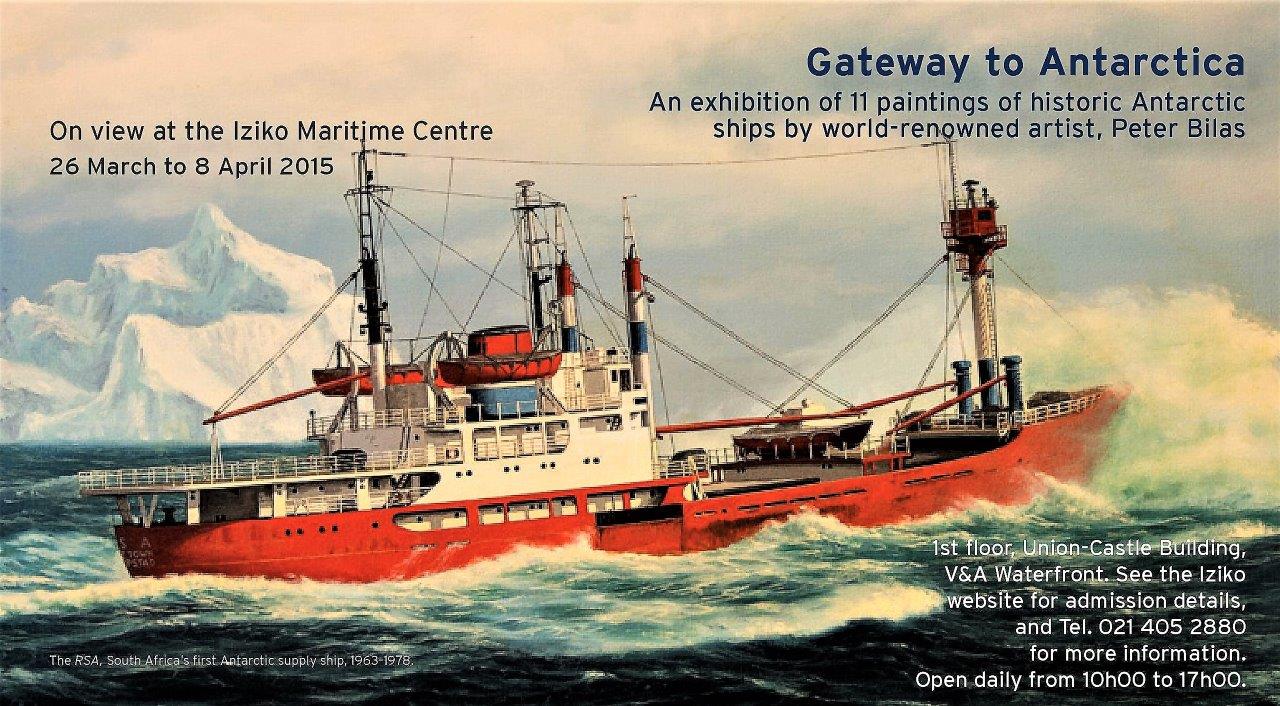 Another source of information has been the study of newspaper reports of their visits – thanks to the South African library. One such report on the departure of Aurora from Cape Town in 1911 mentioned how one of the huskies had fallen overboard and had been rescued by a passing dinghy. This enabled the episode to be recorded in a painting of her departure by Jeremy Day which was commissioned to celebrate the centenary of Aurora’s visit to Cape Town. In 2015 John Cooper had alerted me to the risk that the series of Peter Bilas paintings of Antarctic ships on SA Agulhas I might get lost or damaged when being transferred to the new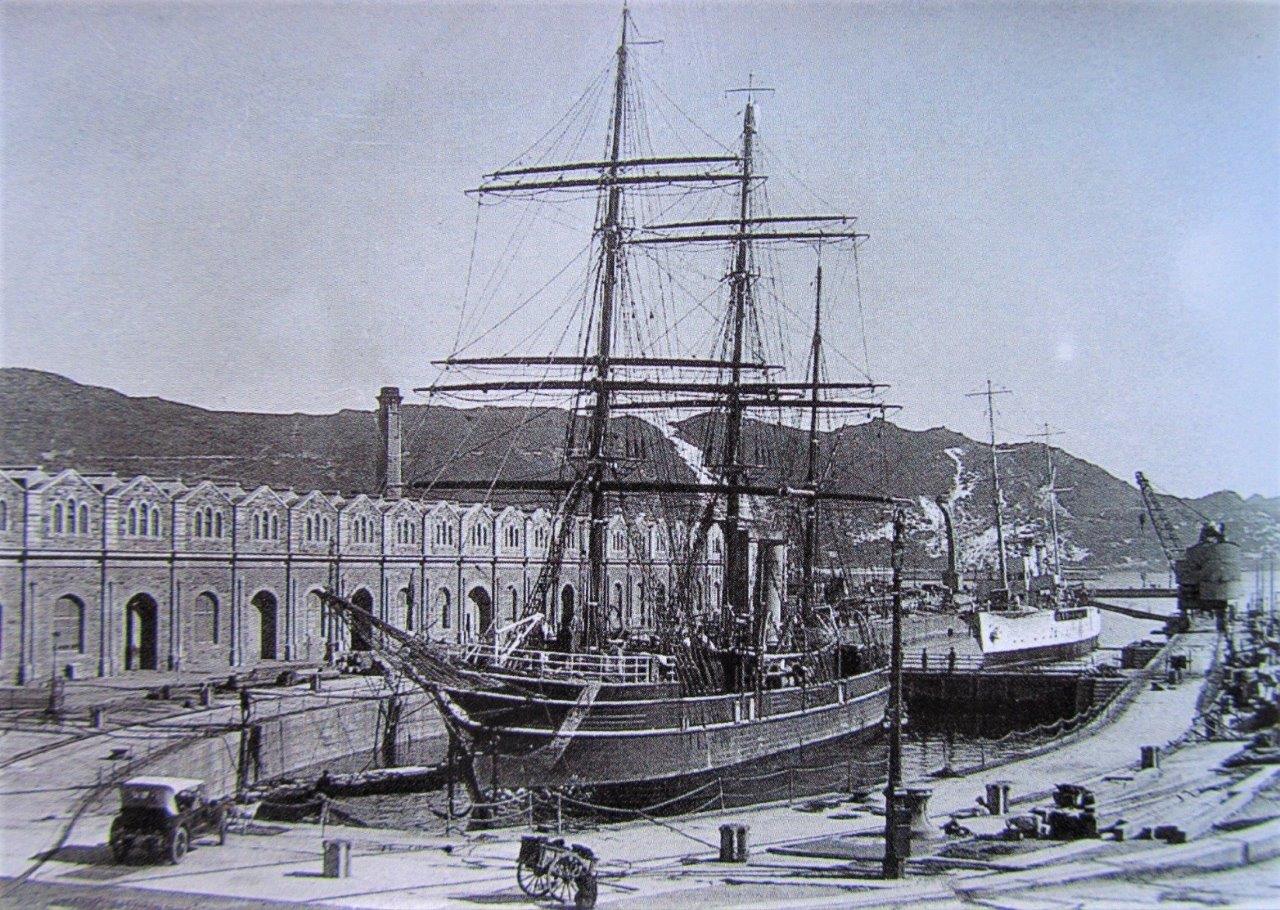
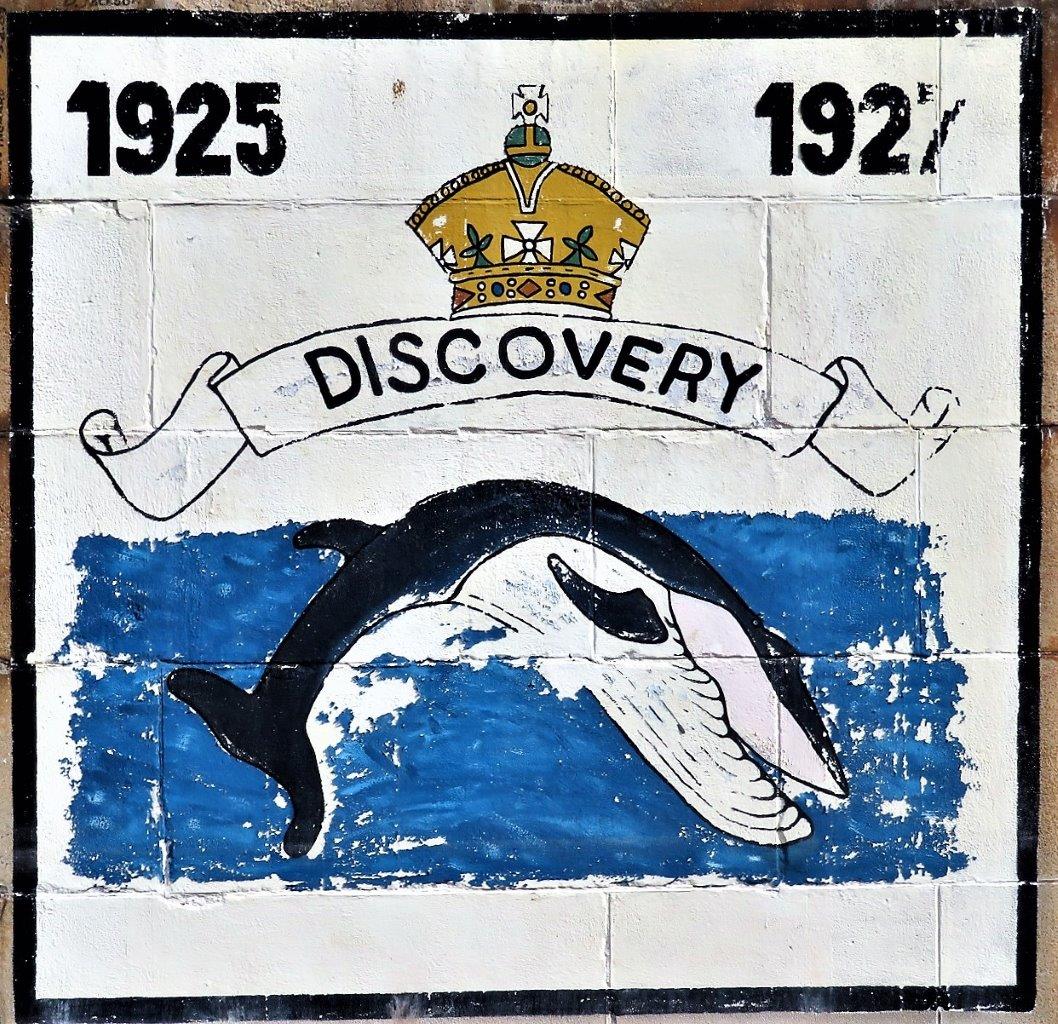 I have enjoyed the opportunity whenever Antarctic historians have visited Cape Town to show them our “Antarctic sites” – most memorably when showing Bob Headland around Simon’s town we discovered that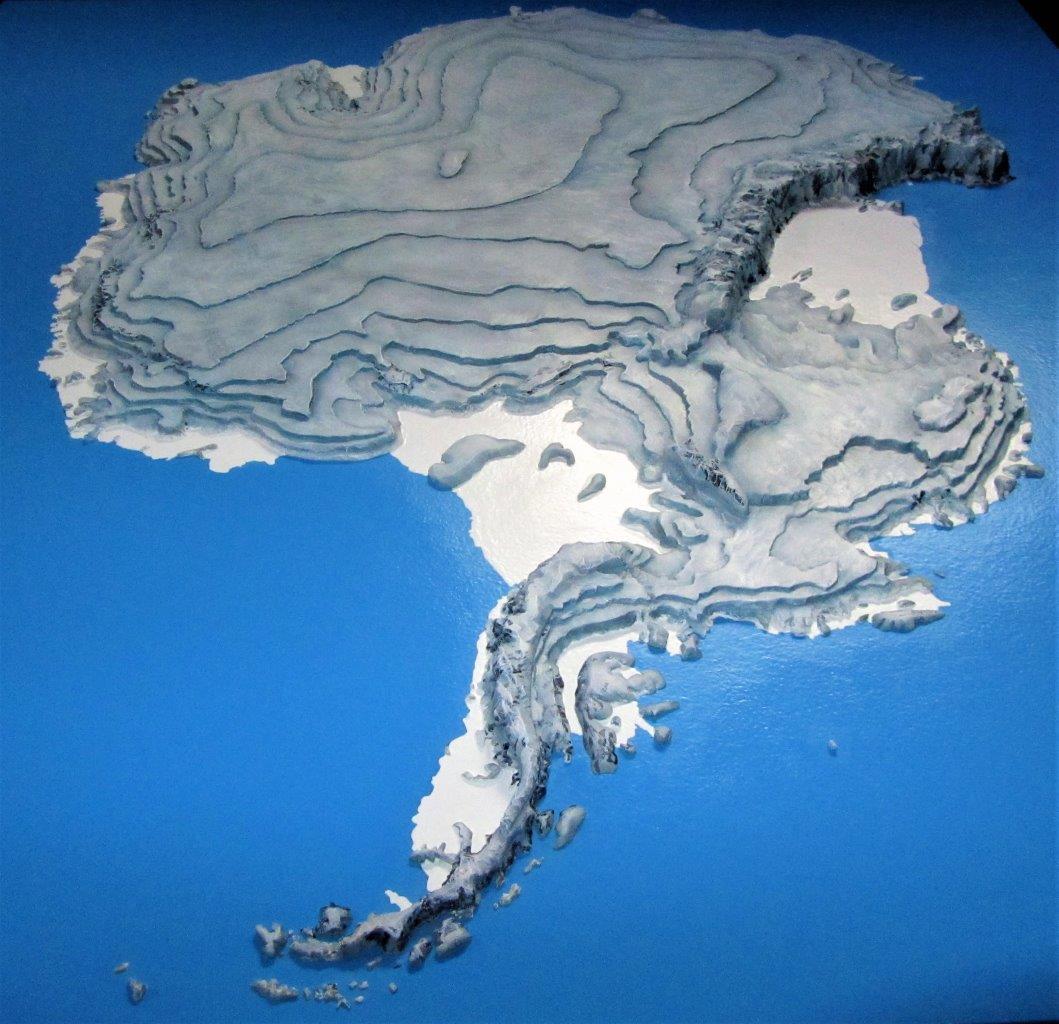

 (above: Display at Simon’s Town Museum) The significant anniversaries of the historic Antarctic expeditions have been useful to raise awareness of them in South Africa. In December 2021 it will be 250 years since
 David William Hedding was born in Johannesburg and grew in Benoni on the East Rand (please don’t hold it against me) before going to boarding school in Pretoria. After a year in Ireland, I returned to study for a BSc in Geoinformatics at the University of Pretoria but it wasn’t long before the call of the mountains ignited my passion for geomorphology. This led to a switch into a BSc (Hons) in Geography to focus on physical geography. This is where it all started and I spent most of 2003 on field trips to the Drakensberg, Lesotho, Namibia as well as Marion Island where I conducted my first real piece of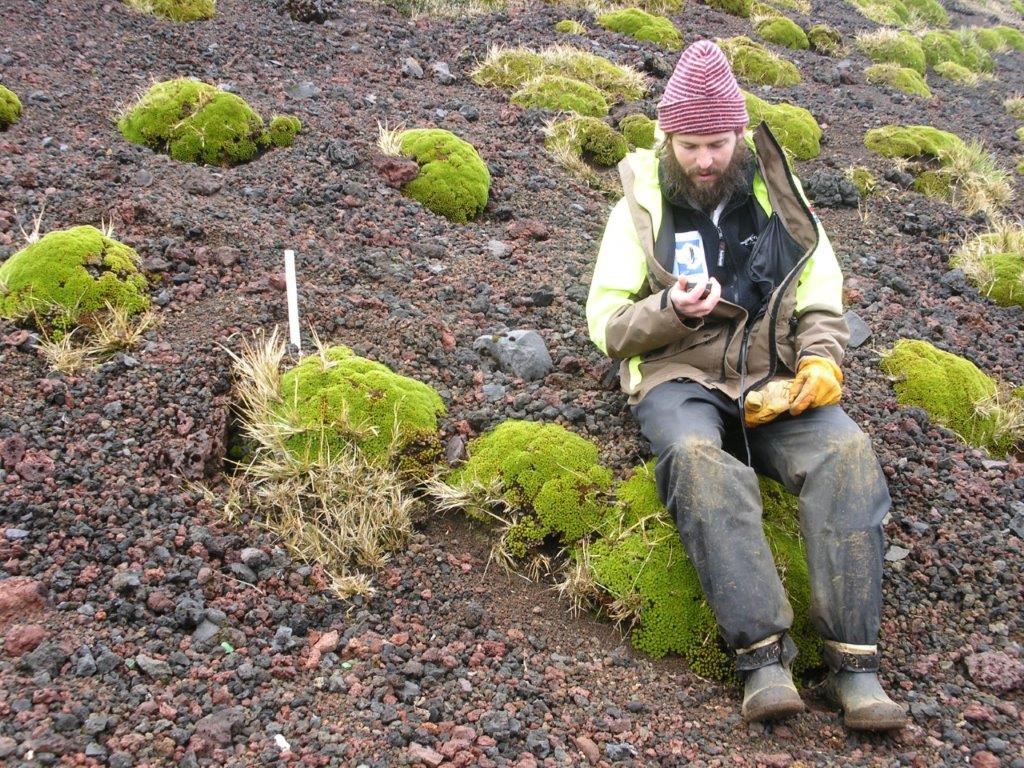




 of Marion Island in the sub-Antarctic. Her research is on the impact of various physical factors on landscape change, for example: animals (seals in particular) on soil properties and vegetation community composition; ice, above or below the ground surface. Geomorphology or better known as Physical Geography is her area(s) of Interest and more specifically, the processes behind
  Periglacial Landforms and to a lesser extent Biogeomorphology. She is fascinated by cold and mountainous places, and thus prefer to work in environments like the High Drakensberg, Subantarctic Marion Island or Antarctica. Liezel is a
  research is part of a growing body of work that critically examines biogeochemical cycling in the ocean, particularly regions that are currently under-sampled. The research aims involve exploring phytoplankton community dynamics and microbe-nutrient interactions in the Indian Ocean, including subtropical and Southern
  Ocean waters. To-date, Kolisa has been awarded the Advancing Womxn Fellowship in the Department of Oceanography. She is a Black Women in South Africa Fellows of 2019. In 2019 she was nominated as one of the Inspiring Fifty Women in STEM South Africa. Kolisa has a passion for learning science and for sharing her science and this PhD programme has allowed her to engage in effective science communication through both public speaking and scientific writing. Kolisa’s work has also been documented in the academic communication magazine, The Conversation Africa. Earlier this year she was invited to be on the “New Voices” panel at the annual Nature, Environment and Wildlife Filmmakers Congress. Sinyanya is committed to increasing the visibility of women in STEM and to that end, she runs a blog called
  She has just been awarded the HJ Scoonbee medal for the best MSc Dissertation
 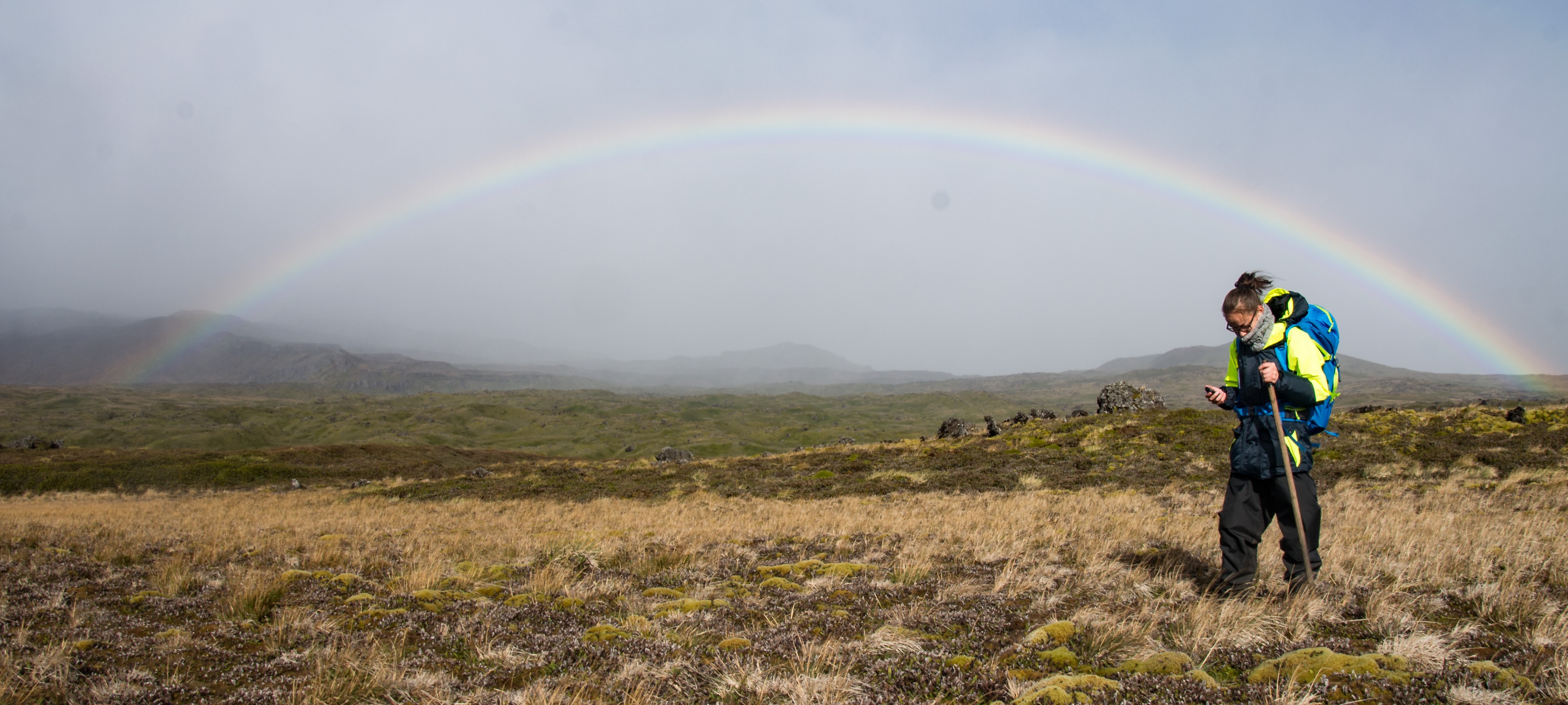 pressures on the organism and the genes that experience selection in response to environmental change. Her results highlighted complex spatial genetic patterns that could be driven by micro-habitat preferences and/or a fitness funnel driven by local adaptations. This complexity illustrates that individuals respond to environmental changes. Her results may bring about far-reaching implications for conservation management on Marion Island, highlighting the importance of considering fine-scale evolutionary processes in management plans. In essence, her results emphasize that conservation efforts are best addressed in a ‘bottom-up’ approach as opposed to a ‘top-down’ approach, which is the case for (Southern Ocean) biodiversity. She is passionate about her work and is extremely fond of the world down south. Daniela loves everything about nature, the outdoors, and sports, particularly soccer, of which she is part of a ladies team in a provincial league. She enjoys spending time with her friends and family, and in her free time, she enjoys the hobby of fishkeeping.
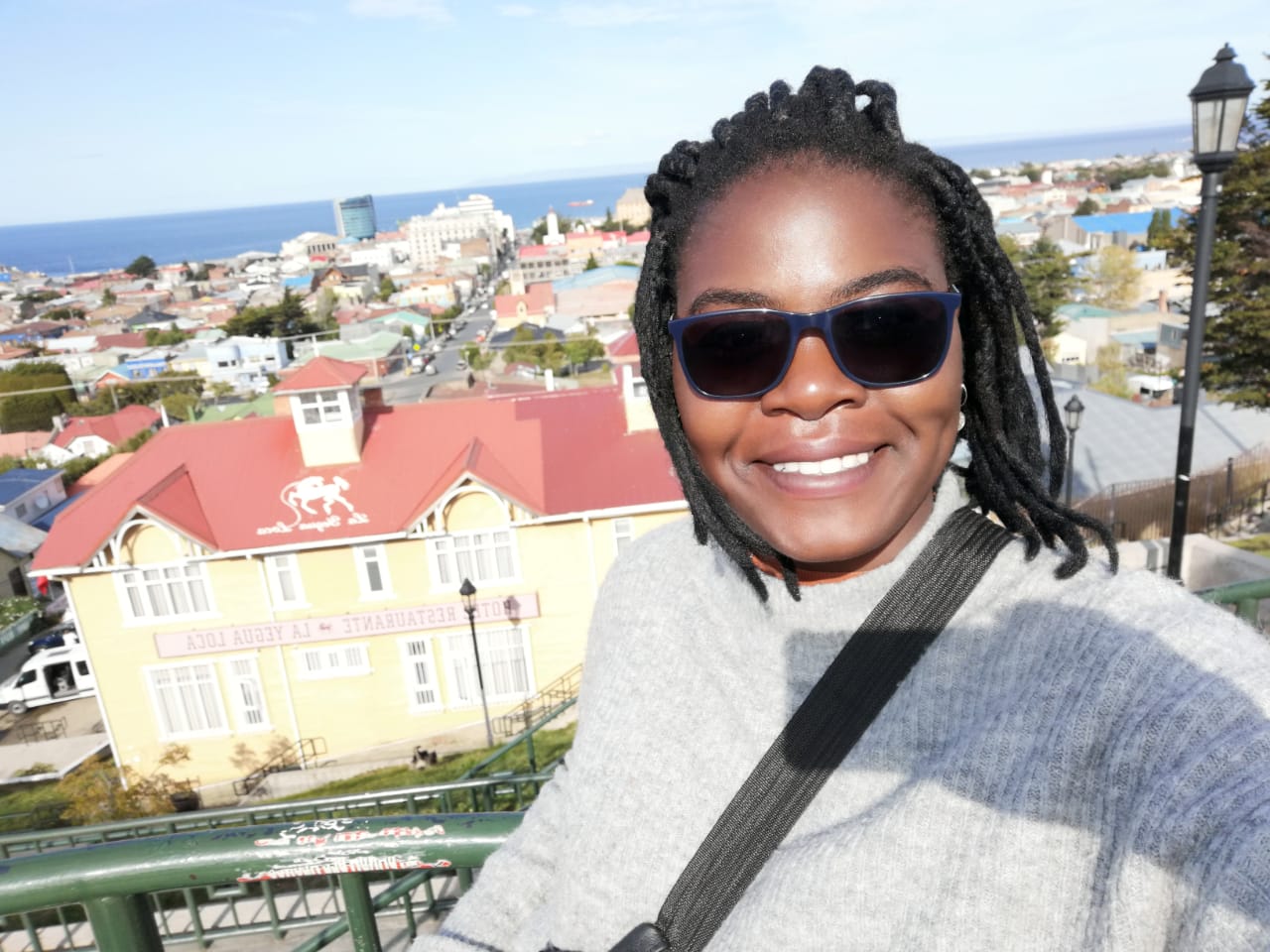 She is currently a Capetonian and studies towards a Masters in Physical/Chemical Oceanography, through the Nelson Mandela University. She was one of 41 students that qualified for this year’s SEAmester cruise and won the prize for best student on-board. During the
 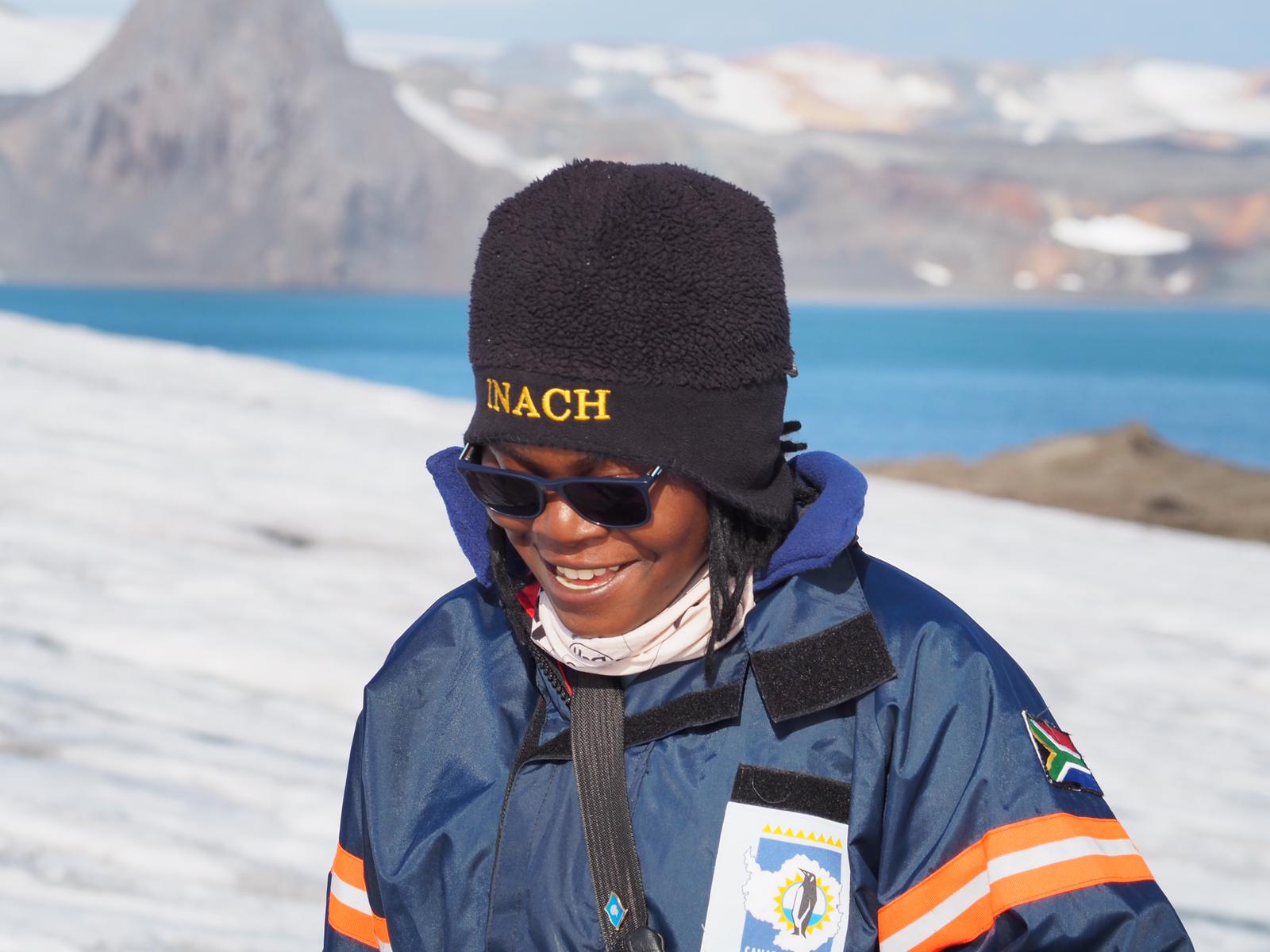 ambition that will not be held back and we are convinced that she will become an Antarctic ambassador at heart and further the connection between Cape Town and the Antarctic, as part of the network of gateway cities toward the Antarctic. Her expectation for the expedition before she left : “I look forward especially to interacting with the other young leaders and researchers chosen for this expedition to possibly establish connections. As an aspiring Oceanographer, Antarctica is an important milestone in my career, it represents the pinnacle of science, cooperation and diplomacy. To be the South African ambassador for this project is a privilege and is extremely humbling.” Rudzi arrived back in Cape Town on 28 February 2020 from the first ACYE